
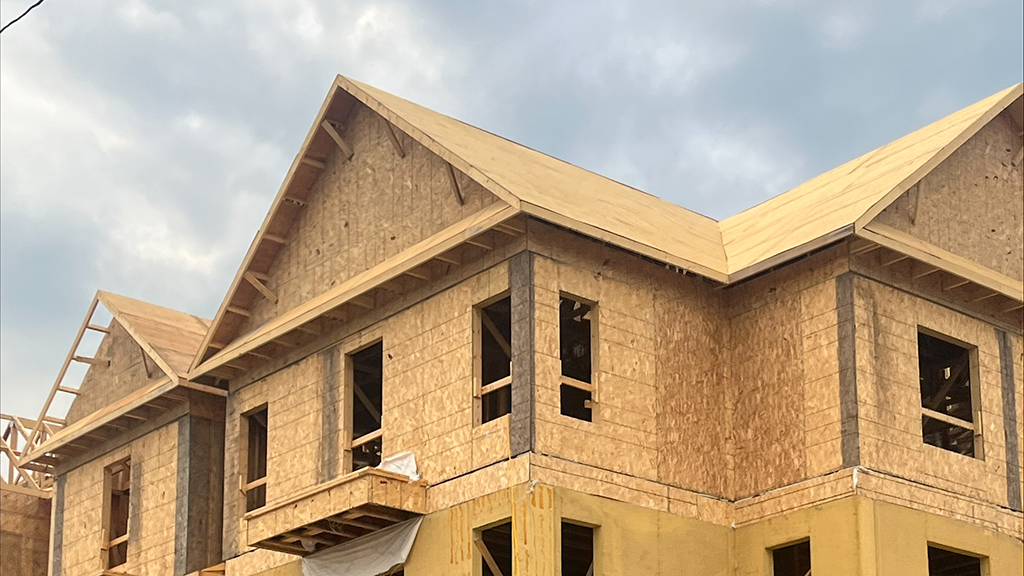
CMHC Reports Continued Decline in Housing Starts with No Recovery in Sight
Overview of the Current State of Homebuilding in Canada
The Canadian housing landscape is experiencing notable challenges, with recent data from the Canada Mortgage and Housing Corporation (CMHC) indicating a significant decline in homebuilding activities. In January, the seasonally adjusted annual rate of housing starts plummeted by 15% to 238,049 units, starkly contrasting with the December figure of 280,668 units. This downward trend has now been reflected in a six-month moving average, which has also decreased by 3.5%, marking a worrying pattern that has persisted for four consecutive months.
The implications of this slowdown are multifaceted. According to CMHC’s deputy chief economist, Tania Bourassa-Ochoa, several factors contribute to this dip in construction activity. High construction costs, geopolitical uncertainties, and weaker demand due to lower immigration numbers are all exerting pressure on developers, stifling their ability to initiate new projects. The ongoing economic uncertainty, particularly surrounding shifting trade policies with the U.S., further exacerbates these challenges. As a result, the outlook appears bleak, with a near-term turnaround in housing starts deemed unlikely.
Despite these adverse trends, it is crucial to note that actual housing starts in larger urban centers (with populations exceeding 10,000) witnessed a marginal year-over-year increase of 1% in January, with 16,088 units recorded compared to 15,957 in the previous year. This suggests a slight resilience within specific markets, although it does not mitigate the overall decline seen across the broader national landscape.
The federal government’s recent initiatives, including the establishment of the Build Canada Homes agency, illustrate efforts to revitalize the construction sector. With an initial funding of $13 billion, the agency aims to expedite the housing development process through financing, land provision, and support for builders. This strategic move aligns with Prime Minister Mark Carney’s commitment to doubling housing construction to 500,000 homes annually over the next decade. Historical context reveals that the peak in housing production was 260,000 homes in the mid-1970s, underscoring the ambitious nature of this goal.
In conclusion, while the data reflects a challenging environment for homebuilding in Canada, targeted governmental interventions may offer pathways to recovery. The construction industry must engage with these evolving circumstances, adapting strategies to respond to economic pressures, while also capitalizing on localized opportunities to foster growth amidst uncertainty. Assertions from industry leaders suggest that without swift action, the implications of this slowdown could reverberate throughout the economy, underscoring the importance of strategic responses to emerging trends.
📋 Article Summary
- Homebuilding in Canada is declining, with a 15% drop in the seasonally-adjusted annual pace of housing starts in January, reflecting ongoing challenges for developers.
- The six-month moving average shows a continuous trend downward, declining for the fourth consecutive month, indicating no near-term recovery is expected.
- Factors such as high construction costs, weaker demand, rising inventories, and economic uncertainties are constraining new construction activity.
- January’s actual housing starts saw a slight year-over-year increase in larger population centers, but overall developer sentiment remains cautious.
🏗️ Impact for Construction Professionals
The recent news regarding the slowdown in homebuilding in Canada signals significant shifts for construction professionals. Owners and project managers must now focus on adapting their strategies to navigate a contracting market and rising uncertainties.
Practical Implications: With a reported 15% decline in housing starts and a six-month downward trend, construction firms should reassess project timelines and financial forecasts. Budgeting for increased costs and potential delays is essential.
Opportunities & Challenges: Although demand has weakened, the year-over-year slight increase in housing starts in larger centers may present opportunities for targeted projects. Engage with local government initiatives like Build Canada Homes, which aims to accelerate construction; positioning your firm to benefit from any new financing or land access could be advantageous.
Actionable Insights: Strengthen relationships with developers and stakeholders to better understand their needs. Consider diversifying service offerings to mitigate risks inherent in a slowing market.
Day-to-Day Operations: Streamline operations by investing in efficiencies and technology to maintain competitiveness. In strategic planning, focus on contingency planning for fluctuating demand and align business goals with shifting market conditions.
#CMHC #reports #slowing #housing #starts #turnaround #sight

