
BC Increases Taxes, Alters Housing Investments, Collaborates with BCH
This week, British Columbia unveiled Budget 2026, marking a significant shift in government investment strategies amid a projected deficit of $13.3 billion for the 2026-2027 fiscal year. This stark contrast to the previous year’s $1.3 billion surplus has elicited widespread criticism regarding fiscal management. The RBC analysis highlights the lack of a credible path to balance, indicating structural pressures that will challenge the province’s economic outlook.
As a response to these financial strains, the provincial government has announced several tax increases. Notably, the income tax rate for the lowest bracket will rise from 5.06% to 5.60%, amounting to an estimated $76 increase for typical taxpayers. Furthermore, the Speculation and Vacancy Tax is set to increase from 3% to 4%. Significant changes affecting the development sector include an escalated tax rate on the Additional School Tax for residential properties valued between $3 million and $4 million, now at 0.3%, and 0.6% for values exceeding $4 million. Additionally, the expansion of the Provincial Sales Tax (PST) base to encompass professional services such as architecture and engineering will compound costs for developers already grappling with rising expenses.
These financial adjustments come at a time when developers are clamoring for relief. Urban Development Institute Executive Vice President Michael Drummond expressed concern that the budget fails to provide a feasible pathway for economic growth while further escalating development costs. The province’s changes to capital project timelines also signify a strategic pivot; a clear acknowledgment of current fiscal pressures. The increased capital costs and stretched timelines for key projects—including long-term care facilities and educational expansions—signal potential delays in essential infrastructure development.
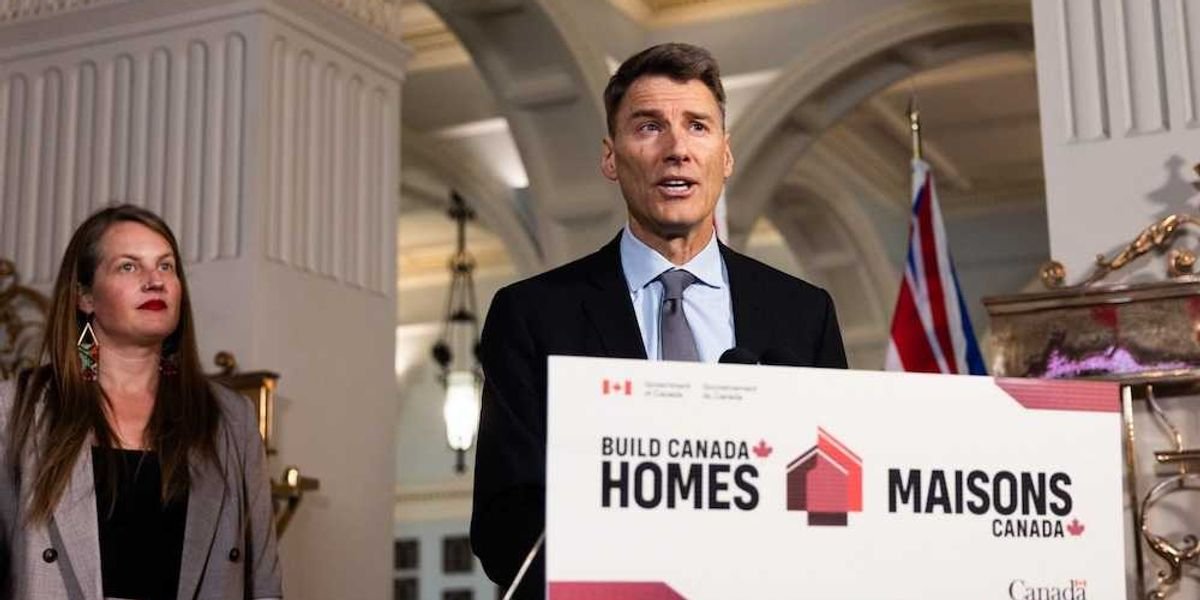
On a positive note, the province has partnered with the federal government in the Build Canada Homes initiative, aimed at expediting housing production. The partnership commits to constructing 700 supportive and transitional homes within the next year and 400 affordable rental units through the newly developed Digitally Accelerated Standardized Housing (DASH) program. With the federal contribution of $170 million and the provincial commitment of $640 million, including subsidies and capital funding, this initiative could significantly ameliorate the ongoing housing crisis.
In summary, as British Columbia grapples with a substantial budget deficit, the implications for the construction sector are multifaceted. Increased tax burdens and modified project timelines complicate the landscape for developers, while new funding initiatives aim to catalyze housing solutions. Balancing fiscal responsibility with the urgent need for infrastructure and housing will be crucial for the province’s economic recovery.
📋 Article Summary
- British Columbia’s Budget 2026 reveals a projected record deficit of $13.3 billion, prompting significant tax increases, including a rise in the income tax rate and the Speculation and Vacancy Tax.
- The provincial government is receiving criticism for its fiscal management, with analysts noting a lack of clear strategies for economic growth amid increasing structural pressures.
- New tax changes affect the development sector, increasing costs for residential properties while expanding the PST tax base to professional services, raising concerns among developers.
- A new partnership between BC and the federal government, focusing on building 700 supportive homes and 400 affordable rentals, aims to expedite housing delivery through innovative design methods.
🏗️ Impact for Construction Professionals
The recent announcements from the British Columbia government present both opportunities and challenges for construction professionals. The projected $13.3 billion deficit results in higher tax rates and increased costs, particularly for development through expanded taxes on residential properties and professional services. Consequently, it’s crucial for construction companies to review their financial forecasts and adjust pricing strategies to accommodate these changes.
On the positive side, the partnership with the federal government to build 700 supportive homes and 400 affordable rental units creates significant project opportunities. Construction companies should position themselves as potential bidders for these projects, leveraging the DASH program to expedite timelines and enhance efficiency.
To navigate the evolving landscape, professionals should assess their project pipelines, focusing on affordable housing initiatives that align with government priorities. Additionally, engage in continuous communication with local government representatives to stay informed of future funding and project opportunities. This proactive approach will not only help mitigate increased costs but also enable construction firms to strategically align with public sector demands, ensuring they remain competitive and responsive in this shifting market.
#Ups #Taxes #Shifts #Housing #Investments #Partners #BCH

