
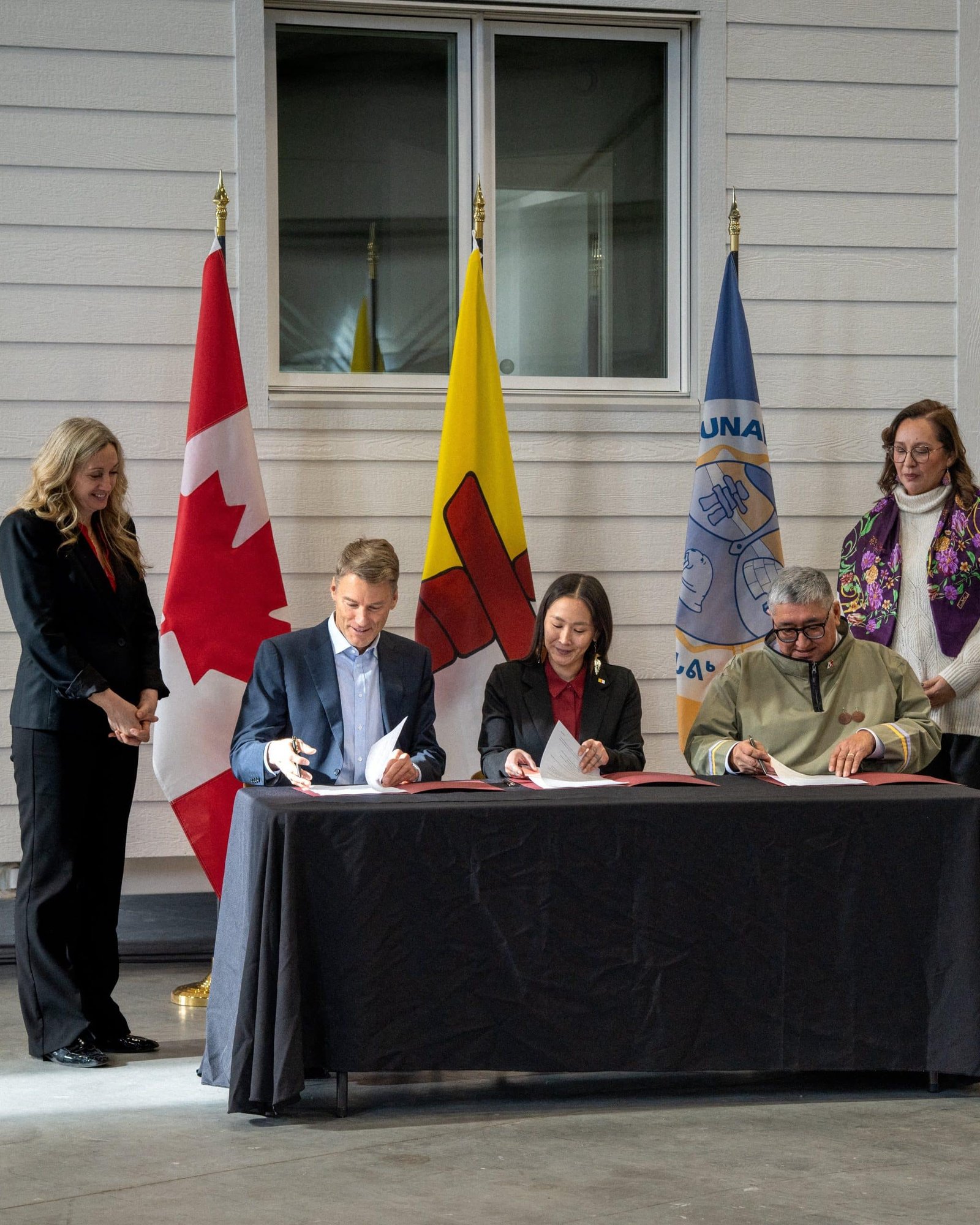
Canada, Nunavut, and NTI to Develop 750 New Homes
Significant Housing Initiative Launched in Nunavut: A Path Forward for Construction and Community
In a noteworthy development for the construction industry and the Inuit community, the federal and territorial governments, in collaboration with Nunavut Tunngavik Incorporated (NTI), have signed an agreement in principle to construct up to 750 homes across Nunavut. This initiative aims to address critical housing shortages in the territory, providing a mix of public, affordable, and supportive housing units.
The financial framework for this extensive housing project sees the federal government contributing up to $250 million, complemented by a $230 million investment from the Government of Nunavut. Such significant funding demonstrates a robust commitment to tackling the housing crisis in this Arctic region where extreme weather and a limited construction season pose unique challenges. Notably, up to 30 percent of the homes will utilize factory-built components, which will mitigate the impacts of harsh environmental conditions and enhance the efficiency of construction timelines. The initial homes are projected for delivery in the near future, indicating a swift capacity for action.
NTI president Paul Irngaut emphasized the importance of an Inuit-led approach to housing solutions, highlighting that this initiative underscores a commitment to Inuit self-determination in service delivery. Furthermore, 25 of the housing units will be managed by NTI under the Igluvut Corporation model, which aims to empower local governance and decision-making.
According to Ana Bailão, CEO of Build Canada Homes, the partnership is characterized by the integration of advanced construction methodologies with the knowledge and expertise of local professionals. This synergy is expected to yield quality homes delivered more efficiently—transforming not just the physical landscape but also positively impacting community dynamics. By prioritizing Canadian-sourced materials, the project aims to strengthen domestic supply chains, fostering local economic resilience and creating training and employment opportunities for Inuit-owned businesses and the local workforce.
Cecile Nelvana Lyall, the minister responsible for the Nunavut Housing Corporation, reiterated the project’s long-term vision: investing in family stability and community growth through housing. The initiative, termed Igluliuqatigiingniq—Building Houses Together—aims to lay a foundational framework that supports sustainable community development.
In conclusion, this groundbreaking agreement stands as a testament to collaborative governance and community engagement in Nunavut’s housing sector. As construction professionals, the implications of this initiative resonate deeply—advancing strategies in modular construction, enhancing supply chain logistics, and ultimately fostering a resilient community through informed and inclusive practices. The outcome will not only transform housing in Nunavut but will also serve as a model for future projects across Canada’s northern regions.
📋 Article Summary
- The federal and territorial governments have partnered with Nunavut Tunngavik Incorporated to build up to 750 homes in Nunavut, focusing on public, affordable, and supportive housing.
- Funding is split with the federal government contributing $250 million and Nunavut providing $230 million, utilizing modern construction methods including factory-built components.
- The agreement emphasizes Inuit-led initiatives and aims to create local training and employment opportunities, prioritizing Canadian-sourced materials.
- The project, supported by the Government of Nunavut, is designed to enhance community stability and self-determination through safe, affordable housing solutions.
🏗️ Impact for Construction Professionals
The recent agreement to build up to 750 homes in Nunavut presents significant opportunities for construction companies and professionals. With the federal and territorial governments investing $480 million, there’s a clear demand for innovative construction methods, particularly factory-built components to mitigate the region’s short construction season.
Business Implications:
- New Contracts: Firms that specialize in modular or factory-built homes can position themselves as frontrunners. Propose joint ventures with Inuit-owned businesses to enhance local engagement.
- Supply Chain Optimization: Prioritize Canadian-sourced materials to comply with project mandates, which can strengthen your supply chain. This approach can generate goodwill and potentially secure future contracts.
Opportunities and Challenges:
- Inuit Empowerment: Understanding the Inuit-led model is crucial. Partnering with NTI or similar organizations can open doors and align with community needs but requires cultural sensitivity and collaboration.
- Training Programs: Develop training programs for local workers to align with project goals, boosting efficiency and community relations.
Actionable Insights:
- Strategize Local Partnerships: Begin outreach to Inuit firms for collaboration opportunities.
- Assess Current Capabilities: Evaluate your company’s adaptability to shifting towards modern, modular methods.
This initiative should inform your strategic planning, focusing on community engagement and innovative construction strategies to stay competitive in upcoming projects.
#Canada #Nunavut #NTI #build #homes

