
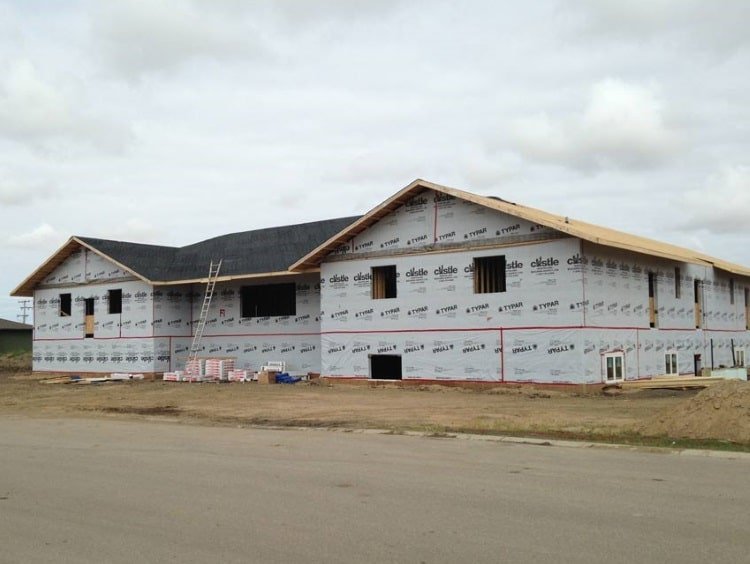
Federal Investments Boost Housing and Infrastructure Development in the Prairie Region
In 2025, significant strides were made in strengthening housing supply and modernizing public infrastructure across the Prairie provinces of Canada, as confirmed by Housing, Infrastructure and Communities Canada. The federal government invested approximately $878 million in a wide array of initiatives, supporting nearly 10,000 homes and hundreds of infrastructure projects that collectively contribute to an estimated 59,000 housing units nationwide.
This funding is part of what the government refers to as “generational investments” aimed at bolstering economic growth and enhancing community resilience through targeted infrastructure development. The multipronged strategy includes addressing homelessness, upgrading public transit systems, and improving critical infrastructure like water and wastewater systems. Notably, over $50 million has been allocated through the Unsheltered Homelessness and Encampments Initiative to develop community response plans in various Prairie cities, including Regina and Saskatoon.
Moreover, more than $21 million was earmarked for transit projects across the Prairies, focusing on fleet expansion and service enhancement, especially in rural areas of Alberta. This funding is crucial as it aims to significantly improve mobility and accessibility for local populations, thereby fostering economic activity. Additionally, over $60 million was directed towards green infrastructure projects, which is critical not only for environmental sustainability but also for improving community amenities, like the $7.5 million allocated for an arena expansion at the Dakota Community Centre in Winnipeg.
A noteworthy aspect of the federal investment strategy is the $36 million committed to housing-enabling infrastructure, emphasizing the essential role of foundational utilities in facilitating new housing developments. For instance, over $3 million is set aside for improving treatment services at the Conklin Water Treatment Plant in Alberta’s Regional Municipality of Wood Buffalo, ensuring that new housing projects can be effectively supported by adequate infrastructure.
Furthermore, the recent establishment of the Build Canada Homes initiative aims to finance and develop affordable housing at scale, with 675 housing units already announced in the Prairie region. This shift reinforces the federal government’s intent to combat affordability issues in housing and support community development.
Overall, the collaborative efforts of the federal government with provincial, territorial, municipal, and Indigenous partners signify a holistic approach to infrastructure and housing, ensuring that investment not only addresses immediate needs but also lays down a sustainable groundwork for future community resilience and economic growth. As these projects come to fruition, the implications for construction professionals are profound, promising a robust demand for skilled labor and innovative construction practices.
📋 Article Summary
- The federal government invested approximately $878 million in the Prairie provinces in 2025, supporting the construction of nearly 10,000 homes and hundreds of community infrastructure projects.
- This funding is part of a larger effort to enhance housing supply, address homelessness, and improve public transit and essential infrastructure throughout the region.
- Over $50 million has been allocated through the Unsheltered Homelessness and Encampments Initiative, targeting community responses in cities like Regina and Saskatoon.
- The Build Canada Homes initiative announced 675 new housing units, highlighting ongoing commitments to bolster affordable housing and community resilience.
🏗️ Impact for Construction Professionals
The recent federal investment of approximately $878 million in the Prairie provinces for housing and infrastructure offers significant opportunities for construction professionals. Owners, project managers, and contractors should strategically position their businesses to tap into the upcoming projects aimed at building and renewing housing and community infrastructure.
Practical Implications: Engage with local governments and agencies about potential tenders and contracts stemming from initiatives like the Build Canada Homes and the Canada Community-Building Fund.
Opportunities: With over 59,000 housing units planned nationally, stable demand for construction services is anticipated. Additionally, projects focusing on public transit and green infrastructure present avenues for specialization in eco-friendly building practices.
Challenges: Competition for contracts may intensify, requiring firms to refine bidding strategies and improve operational efficiencies.
Actionable Insights: Form partnerships with municipal organizations, explore financing options from the Canada Infrastructure Bank, and invest in training to improve expertise in modern building techniques.
Ultimately, aligning your business with government initiatives will not only enhance your project pipeline but also strengthen your community ties, positioning you favorably for future growth.
#Federal #investments #support #housing #infrastructure #growth #Prairie #region

