
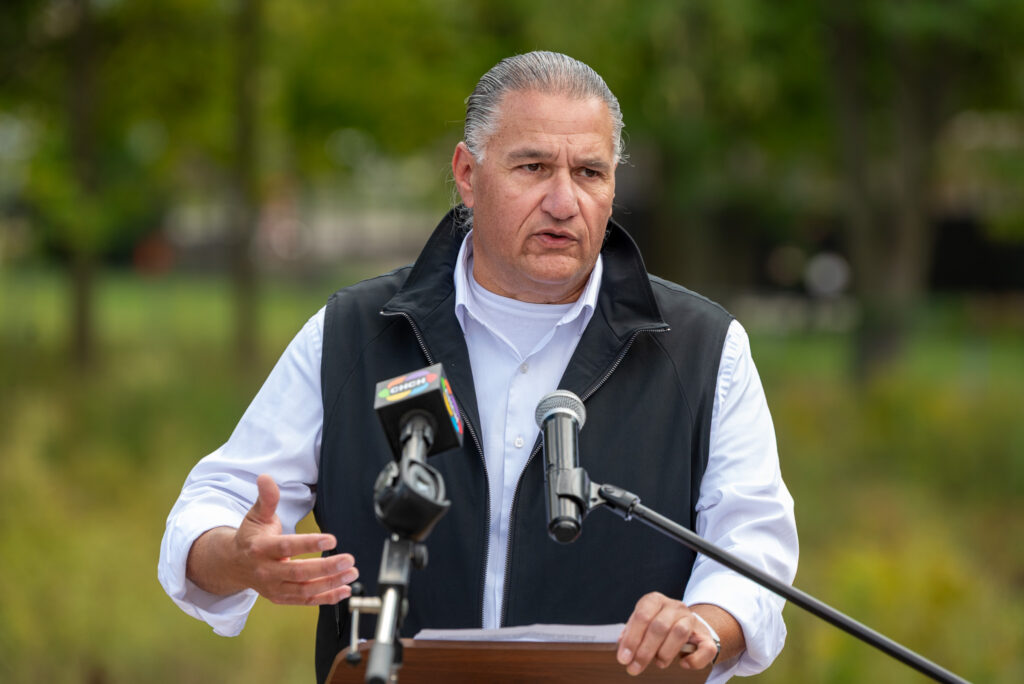
Indigenous Communities Seek Prominent Role in Ottawa’s New Housing Strategy
In a significant move aimed at addressing Canada’s housing crisis, Prime Minister Mark Carney recently announced the launch of the Build Canada Homes initiative, a federal housing program poised to allocate $13 billion towards building 4,000 modular homes. This program is particularly focused on transitional and supportive housing, targeting urban centers with pressing housing needs. Cities such as Winnipeg, where approximately 80% of the homeless population identifies as Indigenous, will be among the first to benefit from this initiative.
Housing advocates, including John Gordon, CEO of National Indigenous Collaborative Housing Inc (NICHI), have emphasized the critical importance of Indigenous leadership and ownership in this initiative. Gordon asserts that the allocation of Indigenous housing must be guided by Indigenous voices, advocating for a “for Indigenous, by Indigenous” framework. This approach aims not only to provide shelter but to address underlying systemic barriers faced by Indigenous populations, such as generational trauma and historical injustices. The call for culturally appropriate solutions echoes sentiments from other stakeholders, including Margaret Pfoh, CEO of the Aboriginal Housing Management Association, who notes that past government-led efforts have consistently fallen short.
While the potential impact of the Build Canada Homes initiative is promising, skepticism looms due to previous unmet funding commitments. For instance, the federal government had earlier pledged $2.1 billion for Indigenous housing, with only a fraction reaching organizations like NICHI. This historical context raises cautious expectations among advocates regarding the timeline and efficacy of the new program.
Moreover, the initiative’s operational framework indicates engagement with Indigenous governments and stakeholders, yet critics argue that this must extend further to include diverse urban, rural, and northern housing providers outside of formal governmental distinctions. This broader engagement is pivotal in reinforcing community-led housing solutions, which, according to Ray Sullivan of the Canadian Housing and Renewal Association, have been neglected for years.
The Department of Housing, Infrastructure and Communities aims to leverage community knowledge and expertise to ensure long-term affordable housing development under the new initiative. While specific details remain limited, proactive measures for financing and support for Indigenous-led housing projects could enhance overall community resilience and sustainability.
In summary, the Build Canada Homes initiative exemplifies a critical juncture in Canadian housing policy, with the potential to significantly alleviate homelessness and improve living conditions for Indigenous populations. However, the success of this program hinges on transparent funding, genuine community involvement, and a commitment to rectifying historical oversights in housing policy.
📋 Article Summary
- The federal Build Canada Homes program will allocate $13 billion to construct 4,000 modular homes, focusing on transitional and supportive housing for vulnerable populations in six Canadian cities.
- Indigenous leaders advocate for prioritizing Indigenous governance in housing allocation, emphasizing that solutions must be designed "for Indigenous, by Indigenous."
- Advocates stress that simply building housing is insufficient without addressing systemic barriers facing Indigenous communities, including historical traumas and current challenges.
- Skepticism remains about the initiative’s success, with concerns over past unmet funding commitments and the need for genuine collaboration with Indigenous housing providers beyond formal distinctions-based governance.
🏗️ Impact for Construction Professionals
The announcement of the Build Canada Homes program presents significant opportunities and challenges for construction professionals. Owners, project managers, and contractors should proactively engage with Indigenous communities to align their projects with the initiative’s emphasis on Indigenous leadership and culturally appropriate solutions.
Actionable Insights:
-
Engage Early: Establish partnerships with Indigenous organizations or communities to foster collaboration on housing projects. This can lead to access to funding and support under the initiative.
-
Cultural Competency Training: Invest in training that focuses on Indigenous issues, ensuring that your team understands the unique challenges faced by these communities, fostering trust and cooperation.
-
Explore Funding Opportunities: Stay informed about the funding mechanisms and criteria for the program. Consider applying for financial incentives provided for affordable housing and community development.
- Adopt a Holistic Approach: Develop strategies that address not just construction but also long-term housing support. This could involve including services that assist with homeownership and community sustainability.
By embracing these recommendations, construction professionals can position themselves strategically within this evolving landscape, ensuring their businesses thrive while contributing positively to addressing housing challenges in Indigenous communities.
#Indigenous #communities #major #role #Ottawas #housing #plan

