
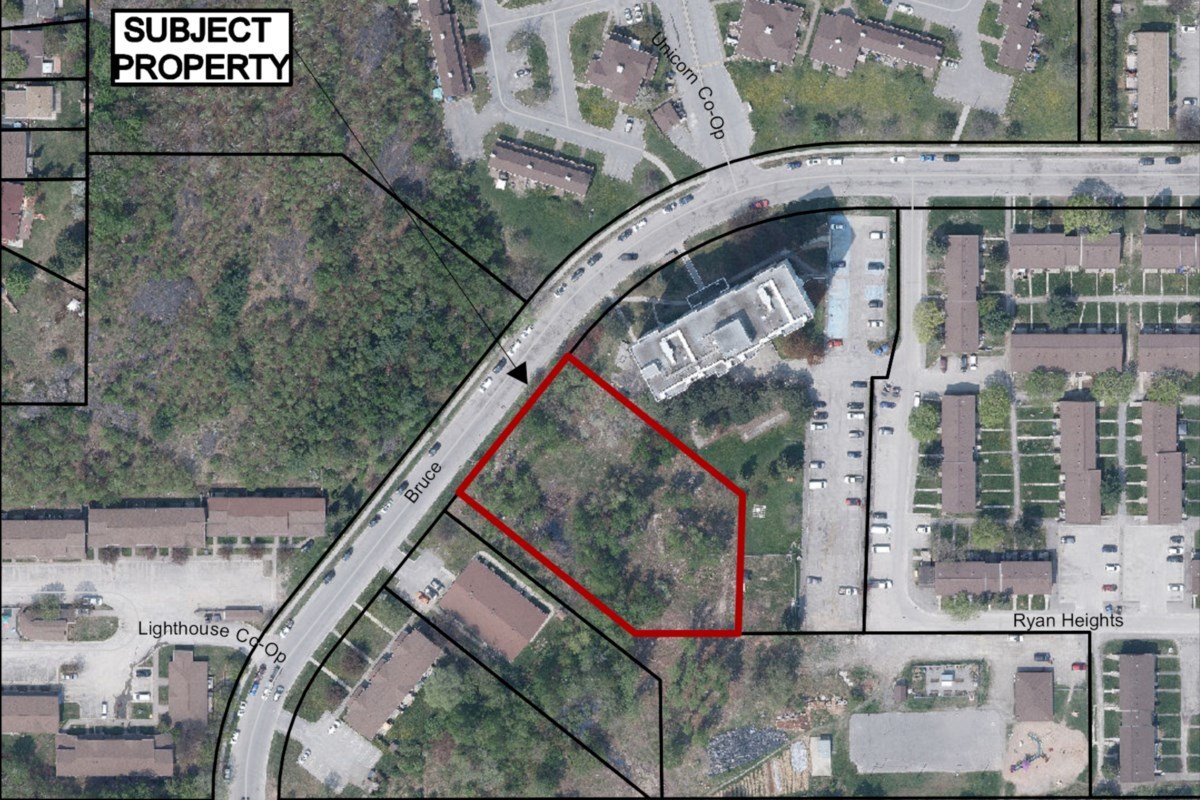
Council Approves Supportive Housing Development on Bruce Avenue
On Tuesday night, Greater Sudbury’s city council endorsed a proposal for a 40-unit supportive housing project on Bruce Avenue, contingent upon securing federal funding. This initiative aligns with the city’s broader strategy, outlined in the “Roadmap to End Homelessness by 2030,” emphasizing the urgent need for supportive and transitional housing amidst ongoing homelessness challenges. Mayor Paul Lefebvre underscored the project’s necessity, citing the success of the Lorraine Street transitional housing facility, which has nearly reached full occupancy.
The planned Bruce Avenue development aims to address a pressing lack of permanent supportive housing options in the community. Current city reports indicate that the existing Lorraine Street complex, which caters to chronically homeless individuals, has limited options for residents transitioning to independent living. As articulated by Barbara Dubois, the city’s Housing Operations director, this gap highlights an urgent need for supportive housing structures, particularly as 800 units of deep-core, accessible housing are also required.
The current proposal’s viability hinges on the federal Build Canada Homes program, which the city is applying for to fund construction costs. Should the city receive this approval, it has committed to providing between $1.25 million to $2 million annually for operational expenses, depending on the required level of support for the facility. The council’s forward-looking approach mirrors the previous successful application for federal funding for the Lorraine Street project. The hope is that the province will partner to cover ongoing operational costs, further amplifying community support for the initiative.
The project’s construction is expected to occur on city-owned land, an asset strategically positioned to bolster Greater Sudbury’s housing portfolio. City officials report that proceeds from the sale of underperforming single-family homes in recent years contributed approximately $18.9 million to the Social Housing Capital Reserve Fund, providing operational flexibility without compromising fiscal responsibility.
As the city prepares to submit its funding application, a Class C cost estimate and preliminary design are on the agenda, with the aim to expedite the timeline for construction, pending federal approval. If the project moves forward, it will represent a significant step in addressing local homelessness and supportive housing needs, while aiding in the strategic repositioning of the city’s housing resources.
In summary, the 40-unit supportive housing initiative stands as a critical development in Greater Sudbury, aiming to bridge a considerable housing gap and enhance the city’s response to homelessness. The ongoing advocacy at both municipal and federal levels will be decisive in translating this vision into reality.
📋 Article Summary
- The city is seeking federal funding for a 40-unit supportive housing building on Bruce Avenue, following positive outcomes from a similar project on Lorraine Street.
- Mayor Lefebvre emphasized the necessity of this initiative to address homelessness, marking it as a critical step in the city’s ongoing efforts.
- The city has pledged to allocate between $1.25 to $2 million annually for operational costs and will actively engage potential housing partners for funding support.
- Current housing demands include 800 units of deep-core housing and transitional options, with the city in possession of substantial reserve funds to support these developments.
🏗️ Impact for Construction Professionals
The recent announcement regarding the 40-unit supportive housing project on Bruce Avenue presents several actionable opportunities for construction professionals. Firstly, companies should position themselves to bid on the upcoming construction contracts tied to this project. Understanding that federal funding may significantly boost project viability gives companies a chance to become involved earlier in the process.
Project managers and contractors should also establish relationships with city officials and housing providers to align with their operational goals. Engaging in pre-construction discussions will enable firms to tailor their services to meet unique project requirements, potentially leading to future collaborations on similar initiatives.
Furthermore, firms must consider the implications of housing needs highlighted by city officials and plan for future projects accordingly—this may mean expanding service offerings to include transitional and supportive housing, which is increasingly prioritized in public funding agendas.
Lastly, regularly assessing competitive analysis and maintaining agile operational practices will be crucial as these housing projects progress. Successful adaptation to emerging housing initiatives can position businesses favorably in the evolving market landscape.
#Council #supports #Bruce #Avenue #supportive #housing #build

