
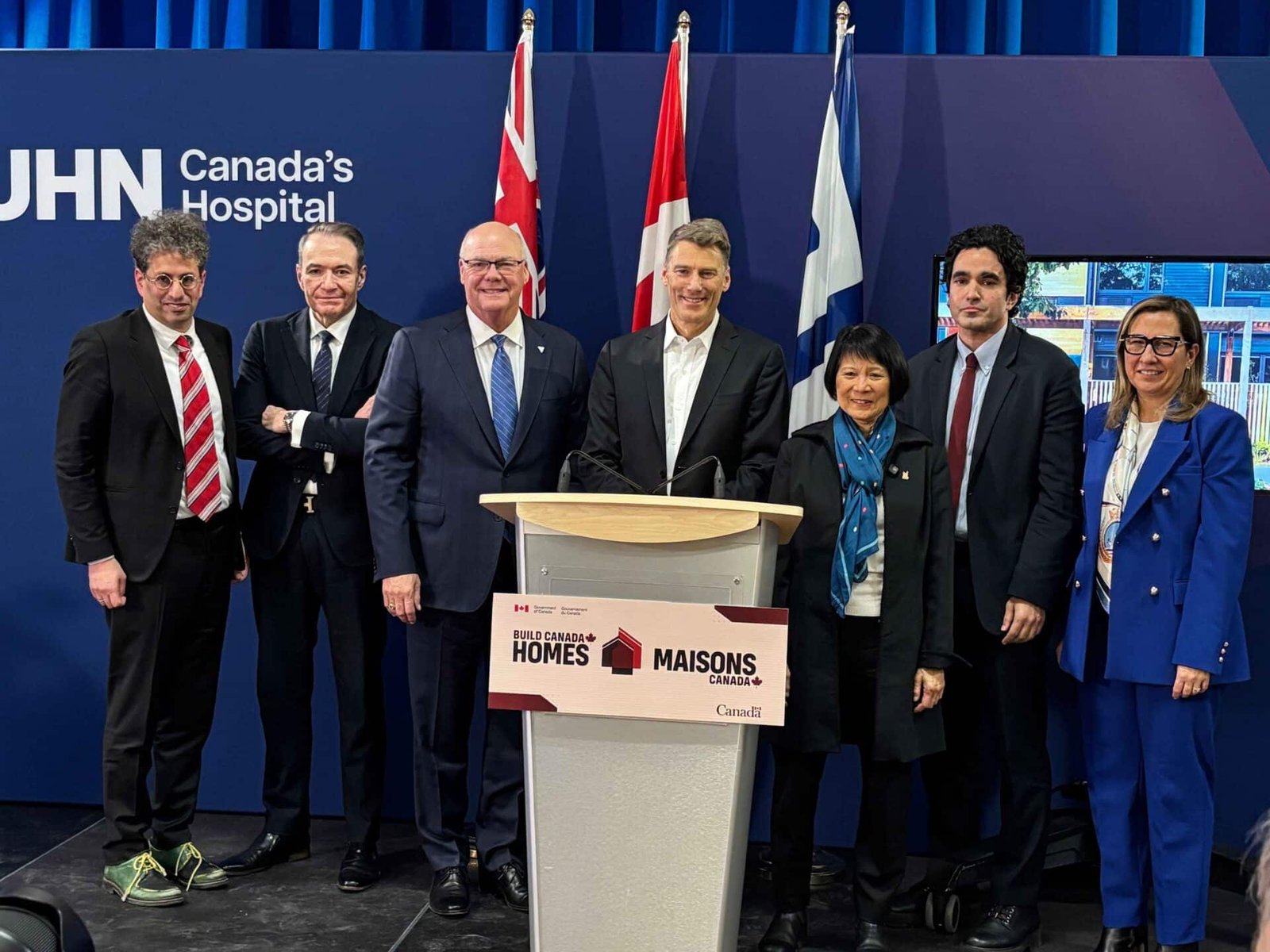
Ottawa Allocates $21.6 Million for Supportive Housing Initiative in Toronto’s Parkdale Neighborhood
Overview of Dunn House Phase 2 Funding and Implications for Supportive Housing in Toronto
The Canadian federal government has announced a significant investment of $21.6 million aimed at bolstering the construction of supportive housing in Toronto’s Parkdale neighbourhood, specifically through the development of Dunn House Phase 2. This initiative is part of a larger strategy to address the affordable housing crisis, aligning with governmental objectives to rapidly expand housing access for vulnerable populations.
Housing and Infrastructure Minister Gregor Robertson highlighted that this funding will facilitate the establishment of 54 rent-geared-to-income studio units specifically designed for at-risk seniors. This population often faces compounded challenges related to health and social service needs, making the integration of such services critical. The culmination of efforts from various stakeholders—including Build Canada Homes, the Province of Ontario, the City of Toronto, and the University Health Network—emphasizes a collaborative approach to tackling housing instability.
Dunn House Phase 2 is a continuation of Canada’s first Social Medicine Housing initiative, championed by the University Health Network’s Gattuso Centre for Social Medicine. This innovative model not only provides shelter but also incorporates supports that cater to the social determinants of health. This strategic integration has shown promising results; early data from the first phase of Dunn House indicates a staggering 52% reduction in emergency department visits and a remarkable 79% decrease in hospital bed days. These outcomes translate to estimated annual healthcare savings of around $2.1 million, illustrating the potential for supportive housing to alleviate pressure on healthcare systems while improving community health outcomes.
Using modular construction techniques, the City of Toronto will manage the project as a public developer in collaboration with CreateTO, thereby enhancing efficiency and cost-effectiveness in the building process. The utilization of modern construction methods is critical in expediting delivery timelines, allowing for quicker occupancy and service provision for residents in need.
In addition to the federal investment, Ontario will contribute up to $2.6 million annually for operational costs, reinforcing the collaborative funding model that supports sustainable housing development. Minister of Municipal Affairs and Housing, Rob Flack, remarked that such partnerships are essential for safeguarding vulnerable residents.
In summation, Dunn House Phase 2 embodies a progressive step toward inclusive housing solutions by leveraging government resources and innovative construction techniques to meet urgent social needs. The project’s implications extend beyond immediate housing solutions, potentially serving as a model for future initiatives aimed at integrating health care and housing to improve overall community wellness.
📋 Article Summary
- The federal government is investing $21.6 million in supportive housing for at-risk seniors in Toronto’s Parkdale neighborhood through the Dunn House Phase 2 project.
- This development will create 54 rent-geared-to-income studio units and will integrate health and social services on-site.
- The project is part of a broader $13 billion initiative by Build Canada Homes aimed at improving the supply of affordable housing, with an emphasis on innovative construction methods.
- Early data from the first phase shows significant reductions in emergency healthcare visits and costs, underscoring the benefits of combining housing with health care support.
🏗️ Impact for Construction Professionals
The federal investment of $21.6 million in Dunn House Phase 2 presents significant opportunities for construction companies, project managers, and contractors focused on affordable housing projects. This funding not only underscores a growing demand for supportive housing but also signals a shift towards innovative construction methods like modular building, which can expedite project timelines and reduce costs.
Practical Steps to Consider:
- Explore Partnerships: Collaborate with public agencies and health organizations to position your business for future projects aligned with governmental initiatives.
- Embrace Innovation: Invest in modular construction techniques to enhance efficiency and scalability in upcoming bids.
- Stay Informed: Keep abreast of related funding announcements and grants, as they can create additional opportunities for your business.
- Adapt Strategic Planning: Incorporate affordable housing projects into your portfolio, as government funding may lead to sustained demand in this sector.
Challenges: Watch for potential project overruns due to the integration of health services and the need for skilled labor in these specialized builds.
By proactively engaging in these areas, construction professionals can leverage this influx of funding to enhance their competitive edge and operational viability.
#Ottawa #commits #million #supportive #housing #project #Torontos #Parkdale #area

