
Toronto Hospital to Expand Program That Cuts ER Visits Through Housing Initiative
In a significant development for housing and healthcare integration, the University Health Network (UHN) in Toronto has announced plans to double its unique permanent housing program aimed at supporting homeless individuals who frequently rely on emergency services. This initiative, which has demonstrated remarkable success in reducing emergency room visits, will see the construction of 54 new apartments adjacent to Dunn House, a facility that opened in 2024, utilizing a portion of the hospital’s parking lot.
The new housing project is bolstered by substantial financial backing from various levels of government, with the federal government’s Build Canada Homes program committing $21 million for construction. Ontario will contribute an annual $2.6 million for operational costs, while the City of Toronto is set to invest $10 million and manage the delivery of these new units. This collaborative funding model underscores the importance of partnerships in tackling the multifaceted issue of homelessness, particularly among vulnerable populations whose high rates of hospital visits strain healthcare resources.
Preliminary data from the original Dunn House initiative provides compelling evidence of its effectiveness. Analysis shows that the 48 residents who resided there made close to 2,000 emergency room visits within the year preceding their relocation. Remarkably, after one year of living in stable housing, these individuals experienced a 52% decrease in ER visits, along with a staggering 79% reduction in the length of hospital stays when admitted. Such metrics not only highlight the human impact of providing stable housing but also suggest significant cost savings for the healthcare system, which often bears the brunt of repeated emergency interventions.
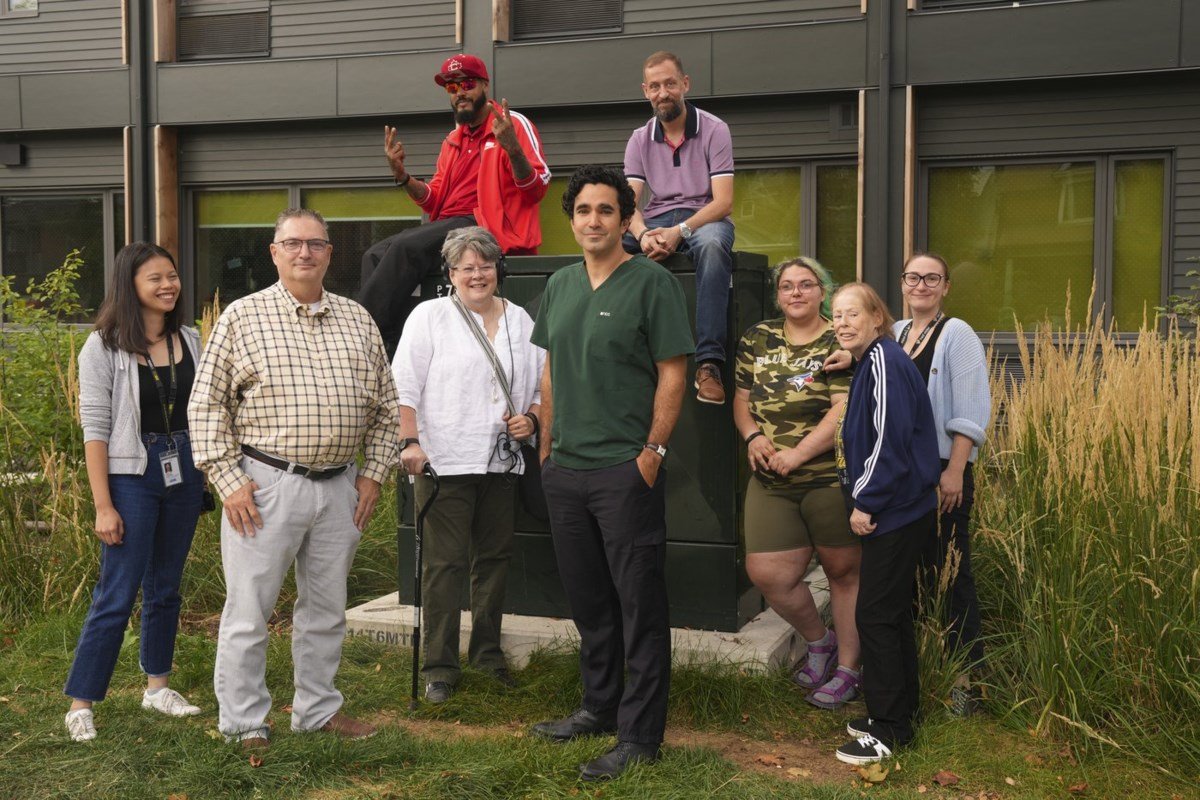
Residents of Dunn House have reported transformative changes in their lives, with many expressing a renewed sense of hope and stability. Testimonials indicate that secure housing can ignite a fundamental shift towards health-seeking behaviors and improve overall well-being, which aligns with the principles of social medicine that advocate for the importance of stable living conditions in achieving positive health outcomes.
As the construction of these new apartments moves forward, the implications extend beyond mere housing provision. This initiative is indicative of a larger trend within the construction and healthcare sectors towards integrated, community-focused solutions that address systemic issues of homelessness and health care access. By marrying urban development with social responsibility, this program may serve as a model for similar initiatives in other urban areas grappling with the dual challenges of homelessness and healthcare inefficiency. The ongoing commitment from various stakeholders presents a promising path toward enhancing the living conditions for Toronto’s most vulnerable populations, ultimately fostering a healthier, more equitable community.
📋 Article Summary
- The University Health Network in Toronto is expanding its successful permanent housing program for homeless individuals, adding 54 new apartments adjacent to Dunn House.
- Funded by the federal government, Ontario, and the City of Toronto, the project aims to provide essential healthcare access alongside housing.
- Data shows residents at Dunn House experienced a 52% reduction in emergency department visits and a 79% decrease in hospital stay lengths after moving in.
- Residents have reported significant life transformations and renewed hope since securing stable housing.
🏗️ Impact for Construction Professionals
The announcement regarding the expansion of the permanent housing program for homeless individuals in Toronto offers significant implications for construction professionals. Firstly, this initiative underscores a growing demand for affordable housing projects, which should be integrated into your business strategy. Construction companies can capitalize by aligning capabilities with social housing developments, emphasizing sustainable building practices and community impact.
Potential opportunities exist in engaging with public funding sources, like the federal and provincial governments, which can facilitate lucrative contracts. Contractors should consider forming partnerships with organizations like Fred Victor to streamline project delivery, sharing expertise in social housing development.
However, navigating the complexities of public sector projects may present challenges, such as extensive compliance requirements and timelines. To counter this, develop a focused approach to bid on such projects by enhancing your administrative capacity for handling governmental regulations.
Day-to-day, professionals should adjust operations to prioritize community-oriented projects, fostering a reputation for corporate social responsibility. Incorporating social impact assessments into your strategic planning can position your firm as a leader in this evolving market. Embrace these insights now to stay ahead in a competitive landscape.
#Toronto #hospital #double #housing #program #reduces #visits

