
Hundreds of Millions in Federal Funding Unveiled for Northern Infrastructure Projects
Federal Investment Boosts Northern Infrastructure through Build Canada
The recent announcement from the federal government regarding substantial infrastructure investments in the Northern territories marks a significant step towards enhancing vital services in these regions. On January 19, 2026, the government unveiled a $277-million commitment for new water treatment facilities and upgraded power plants across communities in Nunavut and Yukon, demonstrating a concerted effort to address longstanding infrastructure deficits.
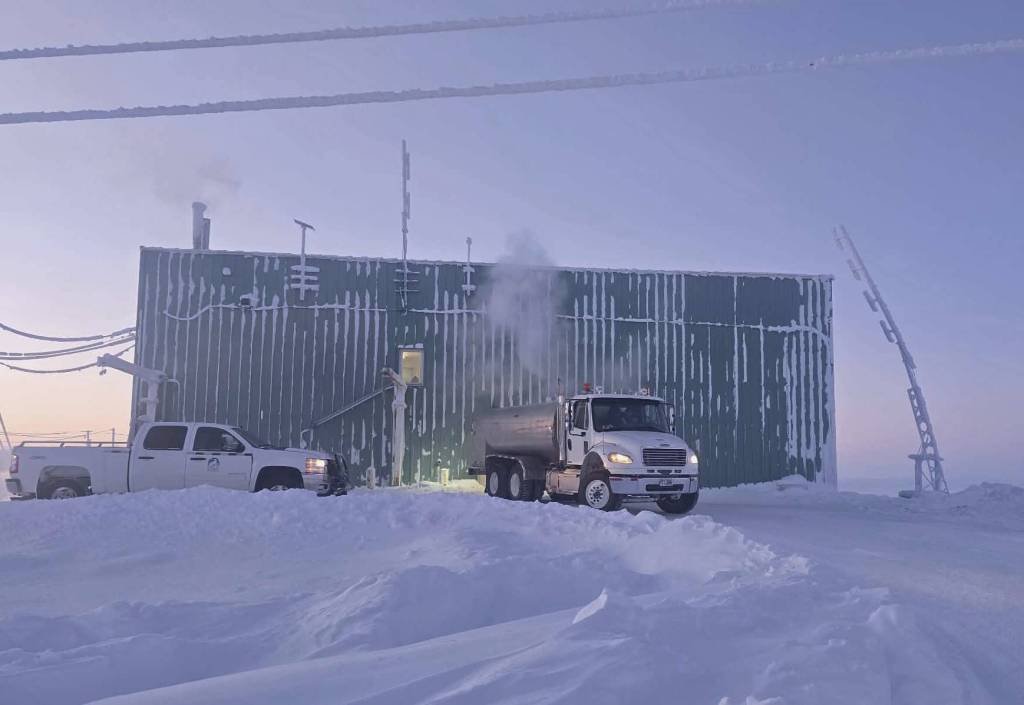
Key among these developments is the planned replacement of water treatment facilities in three Nunavut communities, which speaks volumes about the government’s intent to provide reliable access to clean water—a fundamental necessity for public health and community well-being. The investment will also extend to revitalizing water and sewer infrastructure in Faro, Yukon, showcasing a strategic approach to improving essential services that directly impact residents’ quality of life.
In addition to water infrastructure, Build Canada has allocated $94 million for the upgrade of power plants in four Nunavut communities. This investment is crucial, as reliable power supply is integral to economic activity, public safety, and overall quality of life for residents. Notably, the specific communities benefiting from these upgrades have yet to be disclosed, which raises questions about transparency and community engagement in future planning stages.
Moreover, the federal government reiterated its commitment to address housing shortages by pledging funding for 700 affordable homes through the Nunavut Housing Corporation. This initiative aligns with the broader objective of constructing or renewing 1,186 housing units in the North, backed by a $133 million investment. Such efforts are essential in combating homelessness, for which a combined $3 million has been earmarked for response plans across the three territories. These actions represent a proactive strategy to tackle social issues that have persisted in the region.
Transportation infrastructure is also a focal point in this funding announcement. In the Northwest Territories, the rehabilitation of Fort Liard’s access road—a crucial land connection to British Columbia—will receive $10 million, thereby enhancing regional connectivity and economic opportunities. In Yukon, Whitehorse’s transit fleet is set to benefit from a $9.8 million investment to support transit projects, a critical move towards sustainable urban development.
In conclusion, the recent federal investment through Build Canada’s infrastructure program not only addresses immediate construction needs but also lays the groundwork for long-term economic growth and enhanced livability in Northern communities. The integration of new and upgraded facilities, along with housing developments, reflects a comprehensive approach to revitalizing essential services, signaling a pivotal shift in federal attention towards the unique challenges faced by these territories. As plans unfold, stakeholders and community members will be keenly watching how these commitments translate into tangible benefits on the ground.
📋 Article Summary
- The federal government announced significant infrastructure investments in Northern territories, including $277 million for new water treatment facilities and $94 million for upgrading power plants in Nunavut communities.
- An additional $133 million will support the construction or renewal of 1,186 housing units across the three territories, alongside a commitment to provide 700 affordable homes in Nunavut.
- A combined $3 million will be allocated for homelessness response plans in all three territories.
- Specific projects include a $10 million rehabilitation of Fort Liard’s access road and a $9.8 million investment in Whitehorse’s transit fleet.
🏗️ Impact for Construction Professionals
The recent announcement of substantial federal funding for Northern infrastructure presents several actionable opportunities for construction professionals. First, this investment will create a demand for specialized contractors to execute projects such as water treatment facilities and power plant upgrades. Owners and project managers should proactively establish relationships with local governments and stakeholders to position themselves as preferred contractors for upcoming projects.
Additionally, with significant funding allocated for housing development—specifically the commitment to build or renew 1,186 housing units—companies should assess their capacity to participate in these projects. Forming partnerships with local firms could enhance competitiveness, especially in regions like Nunavut, where logistical challenges may arise.
On the operational front, professionals should prepare for potential challenges such as the timing of project approvals and mobilization costs associated with remote locations. Staying informed about specific project details and timelines will be crucial for effective resource allocation.
Incorporate these insights into your strategic planning by revisiting supply chains and workforce management to ensure readiness for increased demand, positioning your business for success as these infrastructure projects unfold.
#Hundreds #millions #dollars #federal #funding #announced #Northern #infrastructure

