
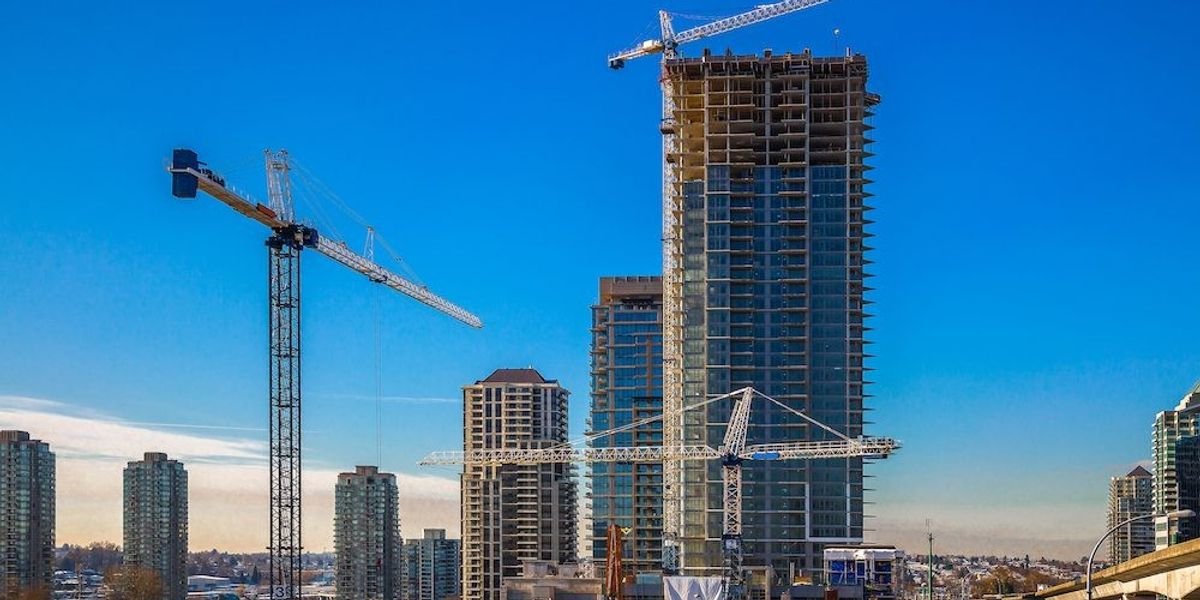
Build Canada Homes: Insights on What to Expect in the Coming Year
In a significant development for Canada’s housing landscape, Build Canada Homes (BCH), under the leadership of former Toronto Deputy Mayor Ana Bailão, is transitioning from conceptualization to tangible action. Just months after its establishment, BCH has announced a comprehensive pipeline aimed at addressing the nation’s pressing housing shortage, with thousands of units expected to break ground in 2026. This shift represents a pivotal moment in the intersection of federal policy and housing construction, focusing on innovative approaches to expedite home building.
BCH’s strategic framework revolves around a “Direct Build” model, which aims to leverage federal lands and cutting-edge construction methods, such as modular and factory-built housing. This strategy seeks to bypass traditional development bottlenecks often exacerbated by bureaucratic processes. BCH is making significant strides with the issuance of Requests for Qualifications (RFQs) for six flagship sites nationwide, collectively projected to deliver approximately 4,000 new housing units. Notable projects include 540 homes slated for the Downsview site in Toronto, with a commitment that at least 40% will be allocated as affordable housing.
Beyond these direct initiatives, BCH is fostering collaboration with municipalities to unlock further housing potentials. Recent partnerships, including a $400 million agreement with the City of Ottawa and a $300 million deal in Nova Scotia, aim to create an additional 4,400 units. The Ottawa collaboration stands out as the city will suspend development charges, permit fees, and property taxes, significantly expediting construction timelines. This proactive financial strategy highlights how municipal support is crucial in addressing the housing crisis.
BCH’s recent launch of a national submission portal signifies a transformative shift in accessing federal housing funding, facilitating engagement from the private sector. Proposals have already been submitted from all provinces and territories, indicating a robust interest in the agency’s initiatives. The agency’s Investment Policy Framework emphasizes modern construction methodologies, foreshadowing a federal push that could strongly benefit the modular and prefabricated housing sectors.
As BCH progresses towards its 2026 construction phase, industry stakeholders are closely monitoring the efficacy of this agency-driven model. The potential to circumvent the extensive red tape that has historically hindered the development of affordable housing at scale is a focal point of interest. The real-world implications of BCH’s initiatives extend beyond mere statistics; they represent a concerted effort to address a national crisis through innovation, economic collaboration, and a redefined approach to housing development. If successful, this model could set a precedent for future housing initiatives across Canada.
📋 Article Summary
- Build Canada Homes (BCH), led by CEO Ana Bailão, has transitioned swiftly from concept to implementation, with a plan to initiate thousands of housing units by 2026.
- Their "Direct Build" strategy utilizes federal lands and modern construction methods to expedite housing development and address bottlenecks.
- BCH has identified six flagship sites across Canada expected to yield approximately 4,000 new homes, with significant portions designated as affordable.
- Collaborative financial partnerships with municipalities aim to unlock an additional 4,400 units, highlighting BCH’s commitment to innovation and cooperation in affordable housing development.
🏗️ Impact for Construction Professionals
The launch of Build Canada Homes (BCH) signifies a transformative opportunity for construction professionals. Owners and project managers should immediately assess how their capabilities align with BCH’s "Direct Build" model, which prioritizes modern construction methods like modular housing.
Practical Business Implications:
With BCH planning thousands of affordable units, there’s potential for increased demand for builders specializing in modular and factory-built methods. Companies should evaluate their current technologies and consider investing in innovative construction solutions to stay competitive.
Opportunities and Challenges:
The collaboration between federal and municipal governments indicates streamlined project timelines, but it also means increased competition. Stay proactive by developing partnerships or joint ventures to enhance your bid attractiveness.
Actionable Insights:
- Register in the national proposal portal to submit qualifications and gain visibility.
- Engage with municipal authorities to understand new incentives or reductions in fees.
- Align your workforce training with modern construction techniques to meet expected demand.
Day-to-Day Operations:
Integrate these insights into your strategic planning, prioritizing adaptability and innovation to seize upcoming projects as they arise. Being well-informed will position your company advantageously in a rapidly evolving marketplace.
#Build #Canada #Homes #Shares #Expect #Year #Ahead

