
Ottawa Set to Serve as “Model” for Housing Partnerships with Federal Government’s $400 Million Announcement
Ottawa’s Housing Initiative: A Model for Federal-Municipal Collaboration
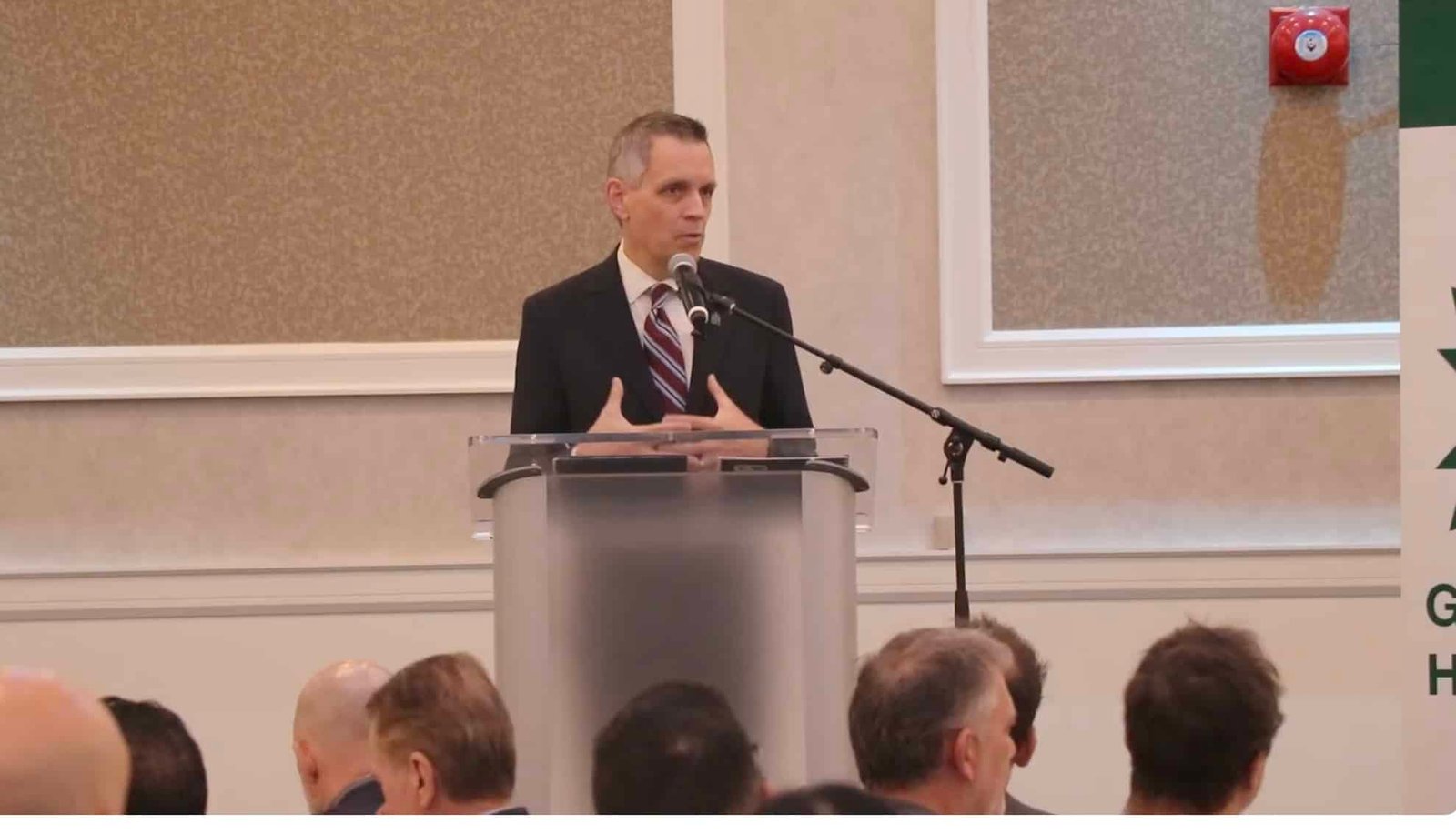
Ottawa Mayor Mark Sutcliffe has emphasized the city’s potential as a pioneering model for federal-municipal cooperation in the housing sector, driven by a remarkable $400-million partnership with the federal government. This initiative, announced at the Greater Ottawa Home Builders’ Association (GOHBA) annual Mayor’s breakfast, aims to construct 3,000 affordable homes by leveraging factory-built technologies to significantly reduce construction timelines. Sutcliffe’s progressive approach places Ottawa in stark contrast to other major Ontario markets experiencing construction slowdowns.
The landmark agreement with Build Canada Homes marks a substantial investment towards expanding affordable housing stock in Ottawa, reflecting a proactive response to burgeoning housing demands. With a reported 22 percent year-over-year increase in housing starts through October 2025, the city continues to set itself apart from the declining rates in the Greater Toronto Area and southern Ontario. Sutcliffe attributes this success to the city’s aggressive Housing Action Plan, which seeks to foster development by eliminating cumbersome development studies and implementing a new Zoning By-law aimed at facilitating higher density.
Despite these positive strides, challenges persist. Infrastructure funding and development charges remain pivotal issues that must be addressed through collaboration between municipal and upper-tier governments. Sutcliffe notes the frustration inherent in multi-tiered governance, where communication and actionable decisions often lag due to intergovernmental dependencies. The mayor expressed optimism, suggesting that there is a willingness from both federal and provincial bodies to engage in constructive dialogues, though the timelines and specifics of their contributions remain uncertain.
Ottawa’s population projections indicate a potential increase of 680,000 residents, vastly exceeding the 400,000 previously estimated in the current Official Plan. This sharp rise necessitates urgent and strategic action to ensure the momentum in construction translates into sustainable housing supply. Industry experts, such as GOHBA Executive Director Jason Burggraaf, stress the importance of moving from policy development to tangible housing projects, indicating a critical need for immediate implementation of successful strategies.
In summary, Ottawa stands at the forefront of innovative housing solutions through effective collaboration between municipal and federal governments, demonstrating that strategic investments can lead to significant advancements in affordable housing. By addressing existing challenges while capitalizing on current successes, the city not only enhances its housing capacity but also models a replicable framework for other municipalities facing similar housing crises. As the construction industry rallies behind these initiatives, the implications for both immediate building projects and long-term urban planning are profound.
📋 Article Summary
- Ottawa Mayor Mark Sutcliffe aims to make the city a model for federal-municipal housing collaboration, highlighted by a $400 million agreement for 3,000 affordable homes.
- The city has seen a 22% year-over-year increase in housing starts, contrasting sharply with declines in other major Ontario markets.
- Ottawa’s proactive Housing Action Plan includes eliminating development studies and a new Zoning By-law to enhance density and streamline processes.
- Continued collaboration with higher levels of government is essential to address infrastructure funding and meet growing population demands, with projections indicating a potential 680,000 increase.
🏗️ Impact for Construction Professionals
The recent announcement regarding Ottawa’s $400 million investment in affordable housing presents significant opportunities for construction professionals. Companies should quickly assess how they can integrate factory-built technologies to streamline project timelines, a key approach highlighted by Mayor Sutcliffe.
Given the projected population growth of 680,000, businesses must adapt to increasing housing demands. Consider revising strategic plans to focus on affordable and efficient construction practices, aligning with the city’s Housing Action Plan.
Stay engaged with municipal processes to leverage new zoning bylaws that aim to increase density—this can unlock potential for future projects. Build relationships with government representatives to stay informed on infrastructure funding and collaboration opportunities, ensuring your company is poised to respond to upcoming project needs.
Finally, monitor changes in development charges and property tax policies. Preparing for shifts in these areas can mitigate financial risks. Overall, proactive involvement in these developments can position your company as a key player in Ottawa’s housing market transformation.
#Ottawa #model #housing #partnership #federal #government #announces #million

