
How is Build Canada Homes Performing?
Key Developments in Canada’s Affordable Housing Initiative
The Government of Canada has embarked on an ambitious strategy to tackle the pressing issue of affordable housing, marking significant progress in just over 100 days since the appointment of Build Canada Homes Chief Executive Officer Ana Bailão. This initiative aims to develop housing solutions at scale, focusing on efficiency and innovative construction methodologies.
A series of landmark agreements with provincial and municipal governments have facilitated the advancement of six federal land projects, which are now primed for construction. Notably, the initiative is set to deliver approximately 4,000 direct build units on federal lands, underscoring a commitment to increase the housing supply amid a growing crisis. This rapid mobilization signifies a shift towards a more collaborative framework, enabling various stakeholders to converge on a common goal: adequate housing for all Canadians.
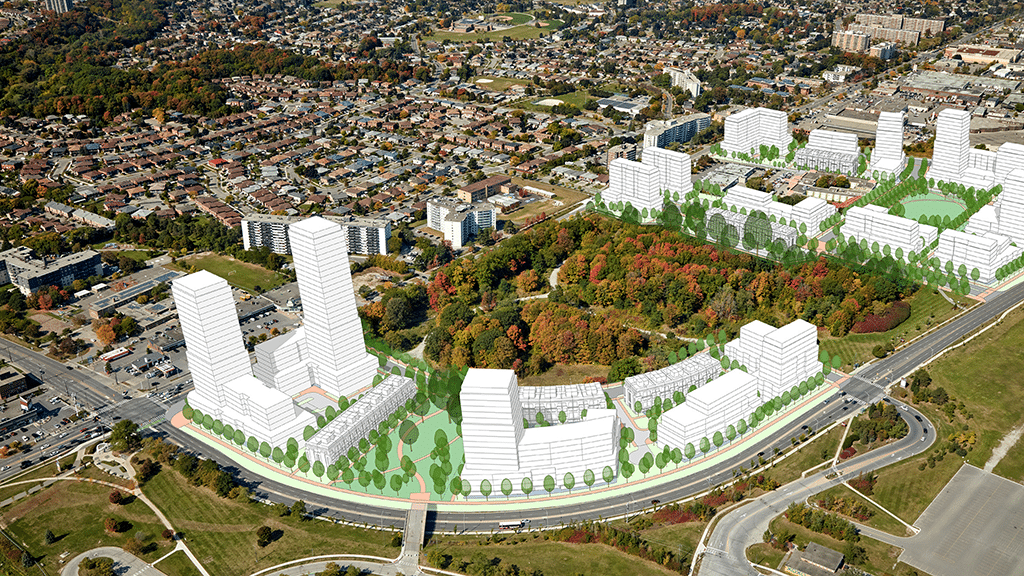
Several key projects have been earmarked for development across major cities. The Arbo project in Toronto is planned to deliver 540 new residences, with 40% designated as affordable, supported by a $283 million federal investment in local infrastructure. Similarly, the Naawi-Oodena redevelopment in Winnipeg will result in 320 homes, prioritizing Indigenous community needs and cultural integration. In Edmonton’s Village at Griesbach, 355 new homes will be contributed, while the Pointe-de-Longueuil project in Longueuil promises 1,055 units, bolstered by a commitment to non-market housing.
A noteworthy collaboration with Ottawa’s municipal government will further catalyze the housing landscape, proposing a partnership investment of up to $400 million aimed at delivering 3,000 new homes through streamlined approvals and enhanced land utilization. While in Nova Scotia, the initiative anticipates unlocking a potential 1,430 homes, particularly benefiting community and non-profit housing sectors.
Despite these progressive strides, the parliamentary budget office projected modest impacts, estimating that Build Canada Homes would only fill a small gap in the housing market, potentially adding 26,000 units over the next five years with half catering to low-income households. The government plans to transition from planning to execution, emphasizing the importance of breaking ground on direct build sites while continuing to foster partnerships across various levels of government.
In conclusion, as the Build Canada Homes initiative accelerates, its focus on innovative methodologies, partnership facilitation, and regulatory simplification reflects a strategic response to Canada’s housing crisis. However, industry stakeholders will be keenly observing the initiative’s effectiveness in bridging the housing supply gap in the coming years.
📋 Article Summary
- Canada’s new affordable housing strategy, led by Build Canada Homes, has established significant agreements with provinces and municipalities, advancing several federal land projects.
- Approximately 4,000 direct build units are planned on federal lands, with various projects underway in cities like Toronto, Winnipeg, and Edmonton.
- The government is investing up to $400 million in Ottawa for a partnership to accelerate mixed-income housing, aiming for a total of 3,000 new homes in the city.
- Projections indicate that Build Canada Homes could add 26,000 units to the national housing supply over five years, enhancing affordability for low-income Canadians.
🏗️ Impact for Construction Professionals
The recent announcements regarding Canada’s affordable housing initiatives through Build Canada Homes present significant opportunities for construction professionals. With the government committing to thousands of new affordable units, construction companies, project managers, and contractors should strategically position themselves to capture this growing market.
Practical Business Implications:
Expect increased demand for skilled labor and innovative construction methods, especially modular and factory-built solutions. Companies can enhance their bidding strategies by aligning with government priorities.
Potential Opportunities:
Participating in these projects can lead to lucrative contracts. Ensure your firm is registered and prepared to respond to Requests for Qualifications (RFQs) for the identified sites.
Challenges:
Be aware of the intensifying competition for government contracts. It’s crucial to have robust capabilities and a strong portfolio to stand out.
Actionable Insights:
- Network with local governments and stakeholders to leverage partnerships.
- Invest in training for new construction methods that align with government initiatives.
- Monitor updates on upcoming projects and streamline your bidding processes to quickly respond.
By actively engaging with these initiatives, construction professionals can align their strategic planning to capitalize on this wave of investment in affordable housing.
#Hows #Build #Canada #Homes #performing

