
How AI and Data Centers Are Transforming Construction Amid Canada’s Ongoing Housing Crisis
The Canadian construction industry faced a tumultuous year in 2025, navigating a complex landscape shaped by geopolitical events, government policy changes, AI advancements, and an ongoing housing crisis. As the industry reoriented itself to address these myriad challenges, key trends emerged that will likely continue to influence the sector well into 2026.
The political climate significantly affected construction dynamics, particularly with the Mark Carney minority government’s new policies juxtaposed against U.S. tariff maneuvers under the Trump administration. These political factors rendered future costs uncertain, compelling companies to adopt agile strategies while grappling with supply chain issues. Moreover, the lingering impacts of COVID-19 prompted shifts in work norms, driving up office vacancy rates and changing demand patterns in commercial construction.
Artificial intelligence (AI) became a pivotal theme in 2025, arguably earning its title as the “year of AI.” With 93% of Canadian businesses leveraging some form of AI by November, the technology showed tremendous promise in transforming industry operations. Tasks previously considered menial were streamlined, enhancing workflow efficiency. Additionally, emerging innovations in agentic AI—autonomous systems capable of planning and monitoring tasks—marked a significant evolution in construction methodologies. However, the successful deployment of AI hinges on skilled operators, underscoring the importance of training and workforce readiness.
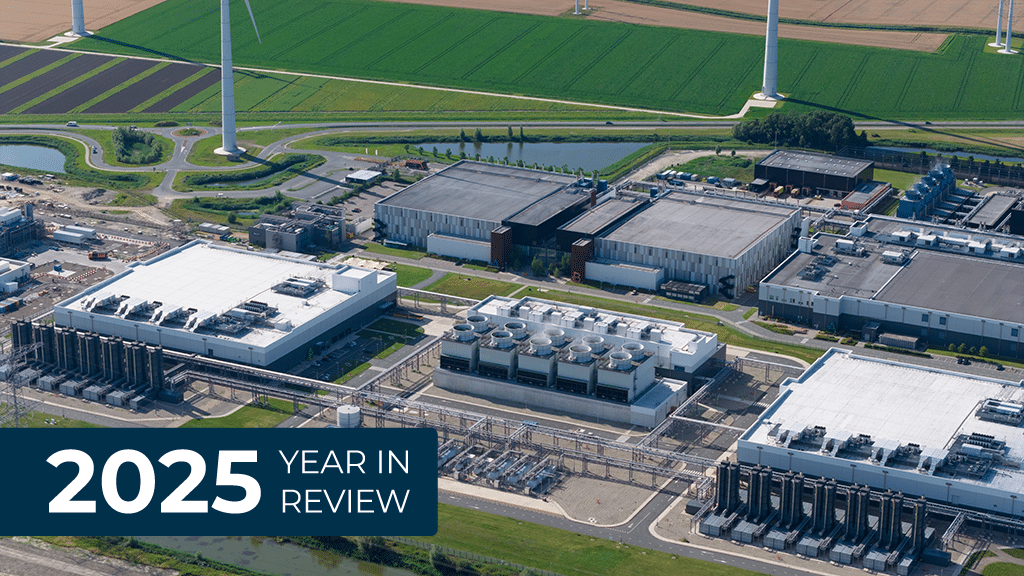
Data centres also surged to the forefront of construction agendas in 2025. A reported $12.4 billion in planned energy-focused projects across Canada reflects growing demand for these facilities, spurred by increased reliance on digital infrastructure. Provincial initiatives, particularly in Ontario and Alberta, aimed to expedite approvals for data centres, indicating a recognition of their critical role in future economic competitiveness.
Simultaneously, Canada grappled with a persistent housing crisis, with significant shortfalls in meeting development targets. Legislative attempts to bolster housing supply proved inadequate, leading to dismal scores for Ontario and other provinces in a recent housing policy report. Though the federal budget introduced initiatives like the Build Canada Homes agency, projected to add 26,000 housing units, experts remain skeptical about achieving ambitious construction goals.
In summary, 2025 was a defining year for the Canadian construction industry, characterized by the intersection of political, technological, and social factors. As it moves forward, the sector must continue to innovate and adapt to address pressing housing needs and leverage AI and data centre development for sustained growth. The implications of these trends will reverberate throughout 2026 and beyond, shaping the foundational landscape of Canadian construction.
📋 Article Summary
- The Canadian construction industry faced significant unpredictability in 2025, navigating challenges from tariffs, a new government, AI advancements, and a persistent housing crisis.
- AI emerged as a transformative force, with many construction firms integrating its capabilities to streamline operations and enhance project management.
- Data centres gained prominence in construction, spurred by governmental initiatives in Ontario and Alberta to meet increasing demand for energy and technological infrastructure.
- Despite government efforts to address the housing crisis, major cities struggled with slow approval processes and unmet targets for new housing developments.
🏗️ Impact for Construction Professionals
Construction professionals, including company owners and project managers, need to respond proactively to the evolving landscape highlighted in the announcement. With AI and data centres surging, there are clear opportunities to integrate technology into your operations. Investing in AI can streamline processes, reduce time on repetitive tasks, and improve project monitoring, enhancing overall efficiency.
However, the housing crisis poses significant challenges. With slow municipal approvals, especially in Ontario, understanding local policies becomes critical for strategic planning. Prioritize engaging with local governments to expedite project approvals.
Actionable insights include:
-
Embrace AI: Start small by identifying areas in your operation where AI can make an impact, such as project management or resource allocation.
-
Strategic Alliances: Collaborate with tech firms specializing in data centre development to stay ahead of construction trends.
- Adapt to Policy Changes: Regularly review and adapt to shifts in regulatory frameworks affecting construction timelines and project costs.
By staying informed and agile, you can capitalize on emerging trends while addressing the challenges posed by housing shortages and government approvals.
#data #centres #changing #construction #Canadas #continued #housing #crisis

