
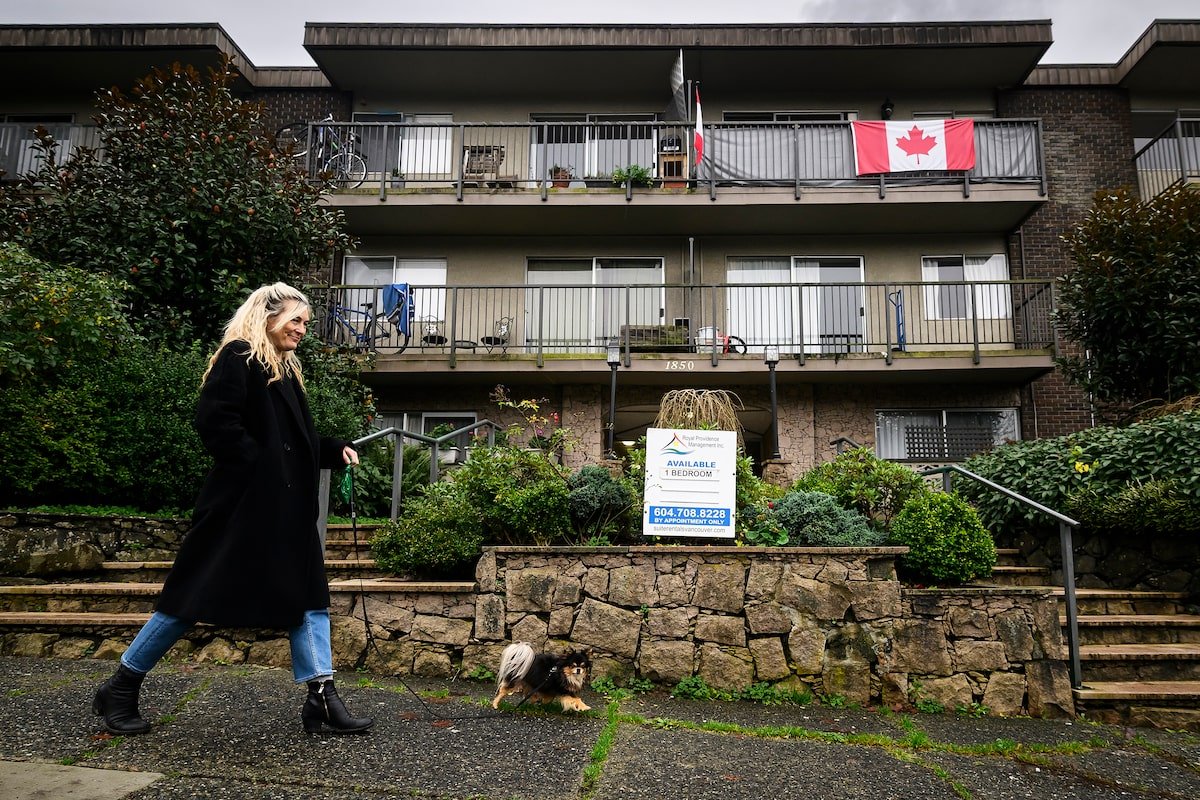
“Rising Rental Vacancies in Canada: CMHC Reports Insufficient Impact on Housing Affordability”
The Canadian rental market is undergoing notable shifts, as highlighted in a recent report from the Canada Mortgage and Housing Corporation (CMHC) detailing an increase in vacancy rates and a slight moderation in rental price growth. In 2025, the national vacancy rate for purpose-built rentals rose to over 3%, compared to just 1.5% two years prior. This development marks a significant turnaround in a market long plagued by low availability, signaling a potential easing of rental pressures, although affordability for many remains a pressing issue.
Urban areas like Vancouver have experienced profound changes, with vacancies reaching 3.7%, the highest in three decades, as older rental inventory clashes with newly constructed properties. A significant number of these new purpose-built rentals exhibit vacancy rates as high as 7%, particularly in Toronto, where intense competition among buildings coupled with an ample stock of investor-owned condominiums fosters a dynamic market. Many landlords are incentivizing potential tenants by offering promotions like one to two months of free rent, indicating an effort to attract renters in a softening market.
Despite these vacancies, the pace of rental price growth continues to pose challenges for affordability. The average rent for two-bedroom units rose 5% to $1,550 in 2025, following an even steeper increase of 8% the prior year. Notably, larger, more livable units remain scarce, exacerbating the affordability crisis, particularly for lower-income tenants. As younger demographics face high unemployment rates, many opt to delay leaving their parents’ homes or continue sharing apartments, further straining demand.
Analysis suggests that broader economic factors, including slower population growth and immigration cuts, have contributed to a surplus of new supply, resulting in softer market conditions. This dynamic has led to a divergence in affordability, with lower-income renters still grappling with limited availability amidst rising costs. While overall rental prices show signs of moderation, the reality on the ground tells a different story for those seeking entry-level accommodations.
Looking ahead, approximately 28,000 to 30,000 condo units are projected for completion in the Greater Toronto Area by 2026, with a significant portion being small in size. Such developments highlight the ongoing lag in the availability of larger living spaces to meet tenant preferences. Despite some negotiating power shifting toward renters in this evolving landscape, professionals within the construction and real estate sectors recognize that the path to a truly affordable rental market remains convoluted. The implications of these trends will undoubtedly resonate within the construction industry, as the demand for diverse housing types continues to evolve.
📋 Article Summary
- Canada’s rental market vacancy rate has increased to 3.7%, the highest in 30 years, while rent prices continue to rise but at a slower pace than in previous years.
- The average rent for two-bedroom units increased by just over 5% to $1,550, down from record growth of 8% in 2023.
- New purpose-built rentals in cities like Toronto are seeing high vacancy rates, often accompanied by incentives such as free rent months to attract tenants.
- Despite some relief in pricing, affordability remains an issue, particularly for lower-income renters, and larger, livable units are still difficult to find.
🏗️ Impact for Construction Professionals
The recent increase in rental vacancies and the slowing rise in rental prices present both opportunities and challenges for construction professionals. Firstly, with a growing demand for purpose-built rentals, targeting larger units in desirable locations could yield lucrative projects. Professionals should pivot to capitalize on this by evaluating local market needs and focusing on quality multi-bedroom units.
Construction companies can also explore partnerships with developers to create incentives for renters, such as including amenities that attract tenants. However, the increased vacancy rates may lead to competitive pricing pressures—it’s essential to assess your pricing strategy to remain attractive without undervaluing your services.
Strategically, review project timelines and workforce allocation as shifts in demand might require flexibility. Implementing efficient project management practices will facilitate adaptability. Additionally, consider aligning with market trends for affordable housing initiatives, potentially unlocking new funding streams or incentives.
In day-to-day operations, focus on enhancing communication with stakeholders about project developments, ensuring all parties are informed and engaged, fostering a collaborative environment to navigate the evolving rental landscape efficiently.
#rentals #sitting #empty #Canada #relieve #housing #affordability #CMHC

