
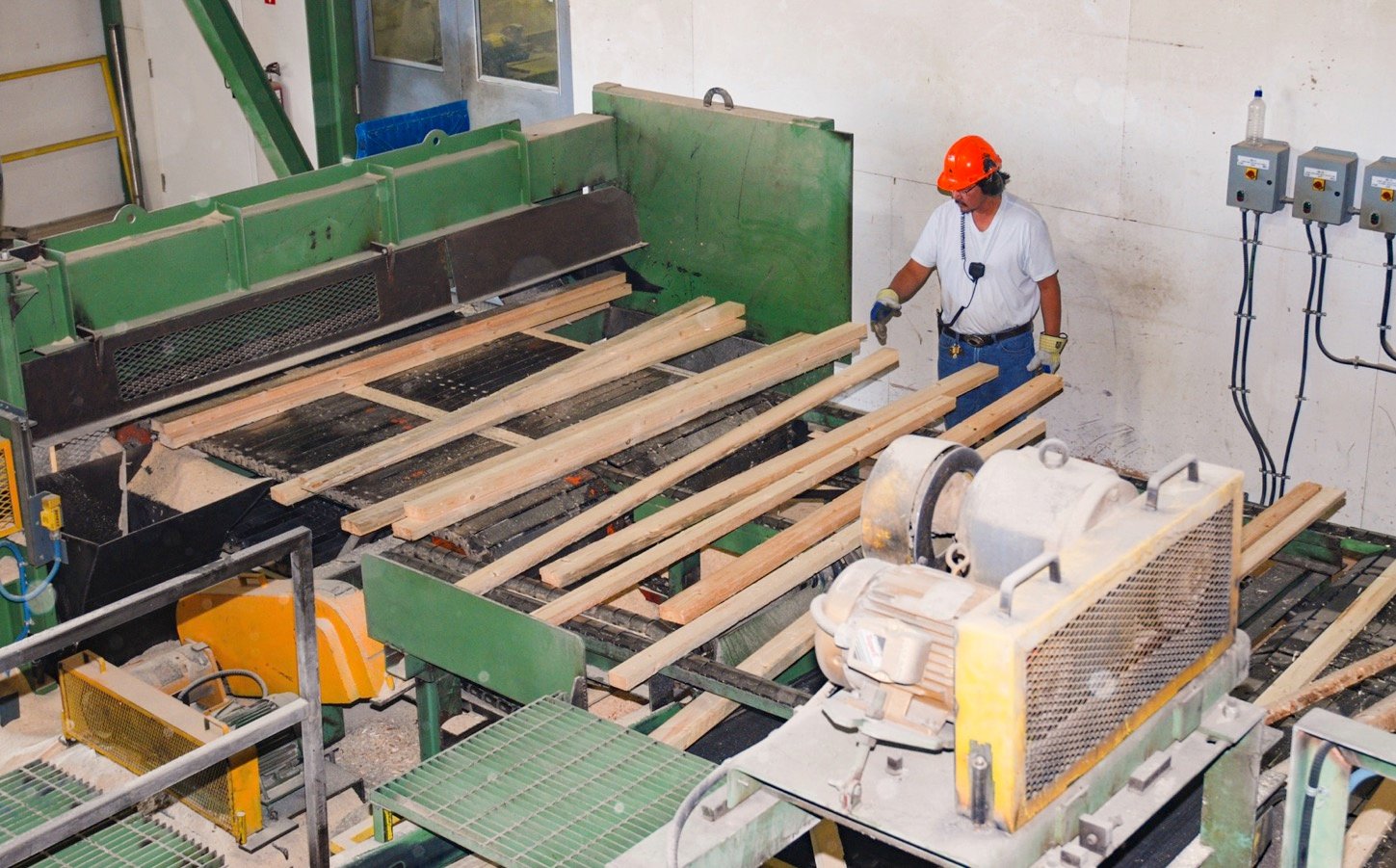
“Can the Build Canada Homes Program Lure Softwood Lumber Exporters Back?”
Overview of Current Challenges and Opportunities in the Canadian Lumber Industry
In recent developments, the Canadian lumber industry continues to grapple with significant uncertainties, primarily due to the ongoing 45% tariff imposed on softwood lumber exported to the United States. Nick Arkle, CEO of Gorman Bros., encapsulated this sentiment by stating that industry stakeholders are "just waiting for the dust to settle." This comment underscores the critical need for clarity within the sector, as producers look to navigate the complexities introduced by this tariff regime.
The implications of such tariffs are multifaceted. For Canadian lumber producers, the high duties represent a substantial barrier to entry in one of their largest markets. With U.S. demand for lumber remaining robust, this tariff not only threatens the competitiveness of Canadian exports but also spurs a realignment of supply chains and market strategies. Consequently, many producers are reconsidering their route-to-market strategies and diversifying their portfolios to offset potential losses from reduced exports.
Compounding these challenges is the influence of provincial government policies, particularly in British Columbia, Ontario, and Quebec. These regions are pivotal in shaping the domestic supply of lumber, and local regulations can significantly impact production capabilities and market prices. The interplay between federal tariffs and provincial regulations creates a labyrinthine landscape that requires producers to be agile and informed about both governmental and market dynamics.
However, amidst these challenges lies a potential opportunity: the Canadian Liberal government has committed to building 500,000 new affordable homes annually. This ambitious initiative could catalyze domestic demand for building materials, including softwood lumber. While skepticism exists regarding the government’s ability to meet this target, the proposed construction could prompt an uptick in local lumber consumption, which may alleviate some pressure from international trade restrictions.
As construction professionals closely monitor these developments, the focus should remain not just on the uncertainties but also on the emerging opportunities within the market. The promise of new housing construction could provide a vital source of demand for Canadian lumber producers, potentially leading to a strategic pivot toward domestic sales as they adapt to changing market conditions.
In conclusion, the landscape of the Canadian lumber industry is one of both challenge and opportunity. While the existing tariffs present considerable hurdles, the government’s housing initiative could cultivate a fertile ground for growth within the local market. Stakeholders must stay informed and prepared to leverage these developments as they unfold, ensuring that they can navigate the complexities of this evolving industry landscape effectively.
📋 Article Summary
- Current 45% tariffs on Canadian lumber exported to the US are causing uncertainty in the industry, with stakeholders seeking clarity on future trade conditions.
- Provincial government policies in BC, Ontario, and Quebec are complicating the situation for lumber producers.
- The Canadian government’s commitment to build 500,000 new affordable homes annually could create increased domestic demand for softwood lumber.
- Experts remain skeptical about the feasibility of this housing goal, but its impact on the lumber market will be crucial to monitor.
🏗️ Impact for Construction Professionals
The recent announcement about the Canadian government’s commitment to build 500,000 new affordable homes annually presents significant implications for construction professionals.
Business Implications: Increased domestic demand for building materials, particularly softwood lumber, could stabilize costs impacted by U.S. tariffs. This presents an opportunity to secure reliable material sources.
Opportunities: Construction companies can position themselves as leaders in this housing initiative. Engaging in government tenders early can provide a competitive edge. Networking with lumber producers could yield favorable terms and foster partnerships.
Challenges: Be prepared for potential supply chain constraints or fluctuations in lumber prices. Keep abreast of provincial policies that might affect material availability or costs.
Actionable Insights: Assess your current procurement strategies and consider alternative suppliers or local sources to mitigate reliance on U.S. imports. Explore partnerships with local governments and training programs to strengthen your workforce in response to increased project demands.
Day-to-Day Operations: Adjust your project timelines to accommodate potential delays in material availability. Factor in these insights into your strategic planning to capitalize on upcoming opportunities without compromising operational efficiency.
#Build #Canada #Homes #program #invites #softwood #lumber #exporters #homebut #respond

