
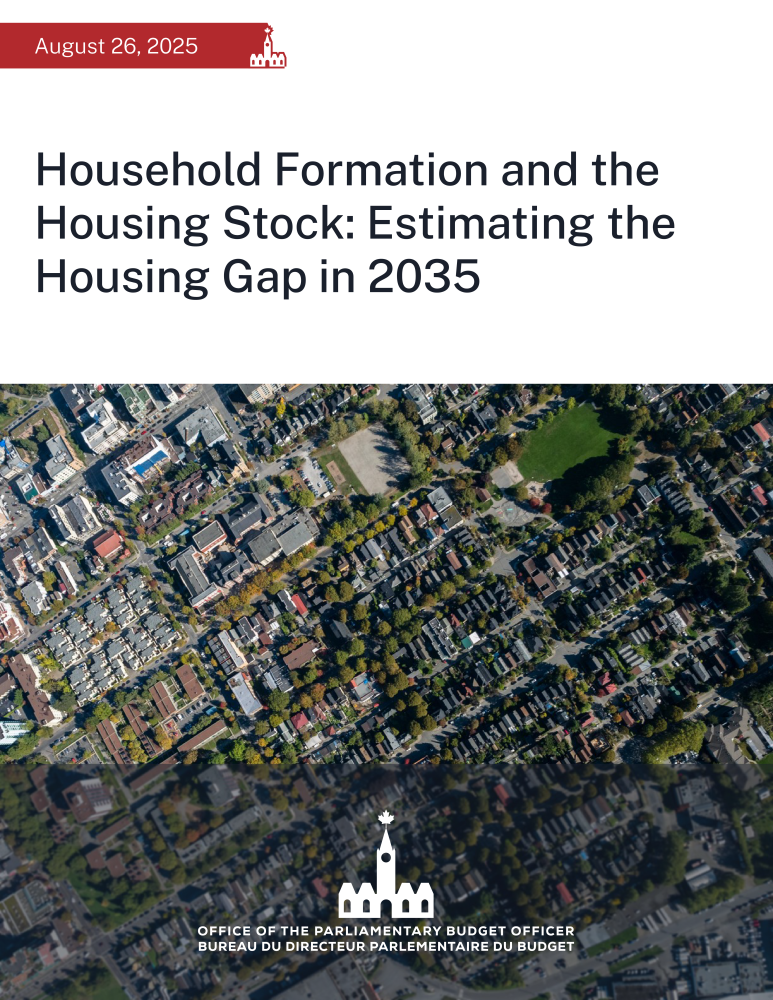
Projecting the Housing Shortage for 2035
Overview of Canada’s Housing Market Projections: Implications for the Construction Industry
Recent projections from the Office of the Parliamentary Budget Officer (PBO) outline significant shifts in household formation and housing stock across Canada over the next decade. Following a remarkable surge in 2024, when household formation reached 482,000, the forecast anticipates a sharp decline in new households due to government changes aimed at curbing immigration. This tightening measure is expected to keep household formation below the historical average, posing a considerable challenge for the construction sector aiming to meet future demands.
A critical aspect of the report reveals a staggering projected housing gap of 690,000 units by 2035. This figure includes 714,000 suppressed household formations—households that would form if attainable housing options were available. The construction industry must recognize the urgency of addressing this gap to mitigate long-term housing shortages and boost market stability.
In terms of housing completions, the PBO forecasts net completions will average 256,000 annually for the next three years but will eventually decline as demographic demands reduce. By 2035, approximately 2.5 million units are expected to be added to Canada’s housing stock. However, this number alone does not close the projected housing gap. To manage the imbalance effectively and return vacancy rates to their historical average, the industry must deliver an additional 690,000 units, translating to 290,000 units per year from 2025 to 2035. Closing this gap would require unprecedented levels of construction, surpassing previous yearly records.
The implications for construction professionals are profound. A total of 3.2 million new units need to be developed to align supply with demand and enhance housing affordability across the country. This ambitious target will necessitate scaling construction operations, optimizing material procurement, and potentially diversifying project types to meet regional demands while addressing sustainability concerns. The report emphasizes that merely increasing housing stock is insufficient; the geographic distribution and quality of new units must align with market needs to ensure balanced growth.
In conclusion, the findings underscore the critical interplay between governmental policies, demographic trends, and construction capabilities. As the industry grapples with these challenges, strategic planning and collaboration among stakeholders will be essential to navigate the complexities of Canada’s housing landscape in the coming years. The ability to adapt and respond proactively will define success in bridging the housing supply gap and fostering a more sustainable Canadian housing market.
📋 Article Summary
-
Declining Household Formation: After a peak of 482,000 new households in 2024, household formation is expected to sharply decline and remain below historical averages due to immigration policy changes, averaging 159,000 annually from 2025 to 2035.
-
Housing Stock Projections: By 2035, Canada’s housing stock is expected to increase by 2.5 million units, but this will not meet the projected 3.2 million units needed to eliminate the housing gap.
-
Significant Housing Gap: A total of 690,000 additional units are necessary to address the housing gap, resulting from demographic demand and suppressed household formation, requiring a total of 3.2 million net new units by 2035.
- Comparative Estimates: The Canada Mortgage and Housing Corporation (CMHC) projects a much larger housing gap of 2.6 million units, highlighting significant differences in estimates concerning housing needs and affordability.
🏗️ Impact for Construction Professionals
The recent housing report outlines a pressing demand for 3.2 million new housing units by 2035, indicating substantial opportunities for construction companies and professionals. Owners and project managers should strategically position their firms to capitalize on the anticipated surge in housing construction. This includes increasing workforce capacity and enhancing supply chain relationships to ensure timely project completions.
One challenge is the expected decline in household formation after 2024; thus, anticipate fluctuations in demand and prepare for potential slowdowns. Use this data to conduct risk assessments and adjust business plans accordingly.
Actionable insights include diversifying project types to include affordable housing and collaborating with government bodies on new initiatives. Leverage technology and sustainable practices to improve efficiency and appeal to eco-conscious clients.
Incorporating these insights into your daily operations—tracking market trends and adjusting project scopes—will position your company favorably as demand reshapes the housing market landscape. Adapting your strategies now will help mitigate risks and seize new growth avenues in the evolving construction environment.
#Estimating #Housing #Gap

