
Opinion: Canada Can Boost Housing Supply by Embracing Factory-Built Homes
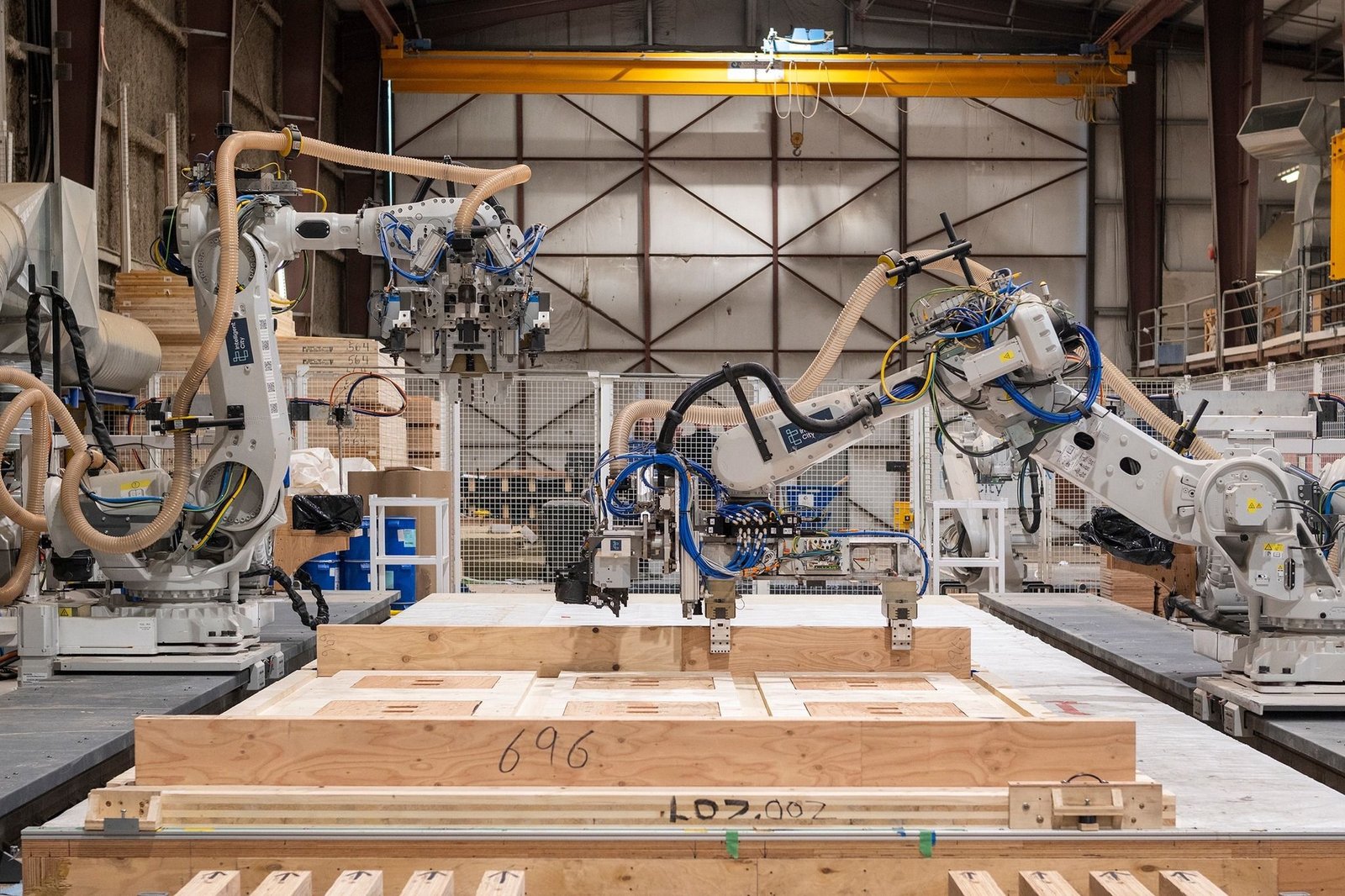
The recent visit of Prime Minister Mark Carney to Intelligent City’s advanced manufacturing facility in Delta, B.C., marks a pivotal moment for prefabricated and modular construction in Canada, transitioning the discussion from the periphery to a central element in addressing the country’s housing affordability crisis. As the current real estate landscape struggles with soaring prices, the potential of off-site construction methods warrants a serious reconsideration in public policy and practice.
Prefabricated housing is not merely an innovative concept; it is a well-established method that allows for quicker, cleaner, and more precise building. For instance, projects like the University of British Columbia’s Brock Commons Tallwood House demonstrate that sophisticated construction techniques can drastically reduce project timelines, with the structure completed in just under 70 days. Furthermore, this approach can minimize material waste by up to two-thirds, a crucial consideration in today’s cost-sensitive environment where sustainability is paramount.
Despite these advantages, the prefabrication sector in Canada confronts significant challenges. Traditional project financing often favors conventional construction methods, leaving prefabricators grappling with hefty upfront costs and limited access to working capital. Municipal zoning regulations further complicate matters, compelling builders to redesign homes to comply with varying local bylaws, which incurs additional costs and delays.
The implications of inaction could be dire; if Canada fails to embrace this modern construction method, it risks lagging behind international competitors that are scaling their modular industries and positioning themselves to meet domestic demands through exports. With Canada’s abundant timber resources and skilled labor, there is a unique opportunity to establish a robust domestic prefabricated housing sector that not only meets housing needs but also bolsters the economy.
To harness this potential, comprehensive governmental action is necessary. Proposed solutions include a multi-year procurement roadmap that consolidates housing needs across different government levels and modernized financing through the Canada Mortgage and Housing Corporation’s Apartment Construction Loan Program tailored to the factory-building cycle. Additionally, standardizing municipal zoning regulations would enable consistency, reducing costs and expediting the approval process.
In conclusion, prefabrication could be instrumental in addressing Canada’s housing crisis while strengthening the domestic manufacturing base. By fostering an environment conducive to off-site construction, Canada can not only solve a critical housing issue but also ensure that the jobs created are sustained by Canadian workers, reinforcing the importance of innovative, smart solutions in the construction industry.
📋 Article Summary
- Prefabricated and modular construction is gaining recognition as a viable solution to Canada’s housing affordability crisis, necessitating government action to integrate it into policy and practice.
- Innovative projects, like the Brock Commons Tallwood House, demonstrate that off-site construction can significantly reduce build times and material waste while maintaining quality.
- Challenges such as inadequate financing, inconsistent zoning regulations, and high upfront costs hinder the growth of Canada’s prefabrication sector.
- To optimize the potential of prefabricated housing, Canada needs a comprehensive industrial policy, including streamlined zoning and financing that aligns with factory production cycles.
🏗️ Impact for Construction Professionals
The recent endorsement of prefabricated and modular construction in Canada presents a significant shift for construction professionals. Owners, project managers, contractors, and others should seize this opportunity by investing in off-site manufacturing technologies and training. This shift can streamline operations, reduce material costs, and improve project timelines—essential in a competitive market.
Actionable Insights:
-
Invest in Training: Equip your workforce with skills tailored to prefabricated construction techniques to enhance efficiency and quality.
-
Engage with Government Initiatives: Stay informed about new financing streams and zoning reforms from federal and provincial governments to leverage funding opportunities.
-
Streamline Operations: Assess how off-site construction can integrate into your existing projects. Standardizing processes will accelerate project completion and improve margins.
-
Adapt Strategic Plans: Anticipate demand for modular housing, adjusting your project pipeline to align with government procurement roadmaps.
- Network: Build relationships with suppliers and other manufacturers to foster collaboration, ensuring you can scale your business effectively as demand increases.
By adapting to these changes, you can not only remain competitive but potentially lead the industry into a new era of construction.
#Opinion #Canada #achieve #homes #building #factories

