
How Standardized Designs Can Accelerate Homebuilding in the NWT
In a significant move for the Canadian construction industry, the federal government has unveiled a housing design catalogue designed to expedite the construction of dense housing and enhance affordability for potential builders. Released by the Canada Mortgage and Housing Corporation (CMHC) for the first time since the 1970s, this catalogue encompasses diverse architectural renderings and floor plans aimed at inspiring or guiding those interested in home construction.
The designs within the catalogue reflect a strategic pivot from previous iterations, which predominantly focused on single-family homes, to an emphasis on multi-unit structures like fourplexes, sixplexes, and accessory dwelling units—commonly known as “granny” or “garden” suites. CMHC’s intent is to not only facilitate quicker building permit approvals but also to minimize construction timelines and costs. Claude Gautreau, a senior manager at CMHC, articulated that expedited permit processes would enable developers to embark on projects without unnecessary delays.
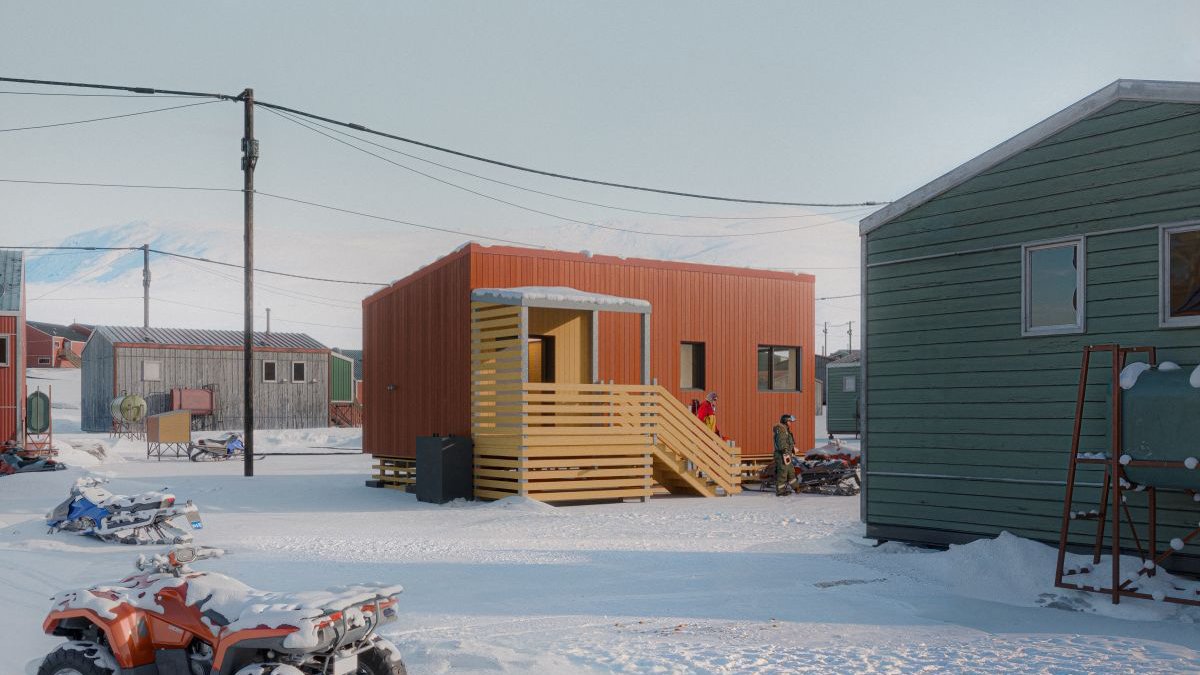
The catalogue features adaptations tailored for specific regional requirements across Canada, encompassing the unique challenges posed by northern climates, such as snow load and insulation needs. For instance, the housing designs crafted by Taylor Architecture Group not only consider the economic aspects of construction but also include user-friendly features for northern residents, such as ample storage and efficient energy use.
Despite the innovation and potential represented by this catalogue, concerns regarding affordability remain paramount. Former NWT MLA Rylund Johnson underscored the significant financial challenges faced by developers, citing construction estimates ranging from $352,000 for an accessory dwelling unit to between $4.5 million and $5.7 million for tanked sixplexes. Such price tags could deter private developers, who may find these figures economically unfeasible given the current market conditions in regions like Yellowknife.
However, the catalogue presents a valuable resource for non-profit organizations and Indigenous governments actively seeking to address the housing crisis. According to Johnson, the pre-designed plans offer crucial support to the affordable housing sector, facilitating access to funding and streamlined project execution.
In conclusion, while the CMHC housing design catalogue holds promise for modernizing Canadian homebuilding practices and addressing urgent housing demands, its practical impact will depend highly on the adaptability and financial feasibility of its proposed designs in various markets. The construction industry must navigate these complex variables to fully leverage the potential of this new initiative.
📋 Article Summary
- The Canada Mortgage and Housing Corporation (CMHC) has released a housing design catalogue for the first time since the 1970s, aimed at facilitating denser and more affordable housing options.
- The catalogue includes designs for fourplexes, sixplexes, and accessory dwelling units, with a focus on Northern housing needs and climate considerations.
- Despite potential cost concerns for developers, the designs offer pre-approved plans that could significantly benefit Indigenous governments and non-profits in the affordable housing sector.
- CMHC estimates for construction costs vary widely, raising questions about the feasibility for conventional builders in markets like Yellowknife.
🏗️ Impact for Construction Professionals
The recent release of the CMHC Housing Design Catalogue offers significant opportunities for construction professionals, but requires strategic adaptation. First, assess the catalogue designs for potential applications in your region—these standardized blueprints can streamline your project timelines and reduce design costs.
Consider forming partnerships with local architecture firms to modify these designs to suit specific community needs, enhancing marketability. Engage in discussions with housing developers and non-profits about adapting these plans for affordable housing projects; this could open avenues for funding and collaborative efforts.
However, be aware of the challenges posed by the high estimated construction costs, which may deter traditional developers. Communicate these cost implications transparently with stakeholders and consider exploring alternative materials or construction methods to maintain affordability.
Incorporate these designs into your strategic planning. Regularly review the catalogue for updates and actively engage in community consultations to align your projects with local needs. This proactive approach will position your business as a leader in addressing housing demands in your area.
#standardized #designs #speed #homebuilding #NWT

