
Construction Leaders Applaud Federal Budget’s Investment in Infrastructure and Housing
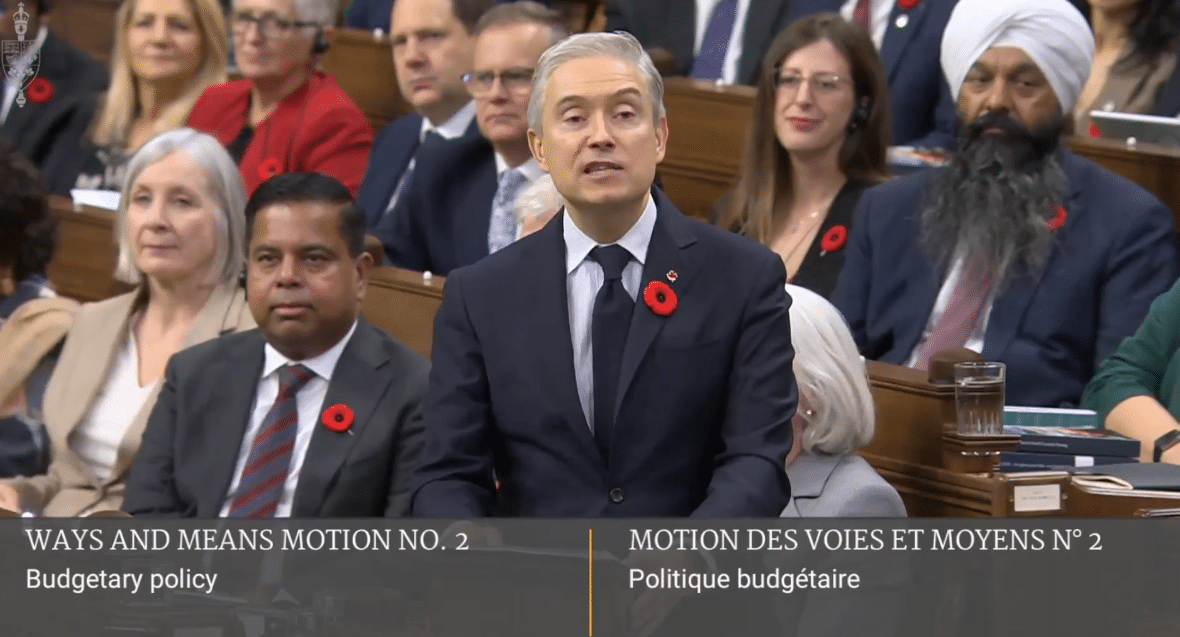
The release of Canada’s 2025 federal budget, titled “Canada Strong,” has garnered significant support from prominent construction industry stakeholders. This budget is heralded as a proactive measure designed to stimulate essential infrastructure projects and alleviate the ongoing housing crisis in Ontario. With a robust commitment of approximately $280 billion over the next five years, the budget focuses primarily on nation-building investments that are expected to bolster the construction sector.
A notable allocation of $115 billion is earmarked specifically for infrastructure projects, promising to enhance public works and stimulate economic growth. Additionally, a further $110 billion is designated for productivity and competitiveness initiatives, reflecting a clear alignment with the long-term objectives of enhancing Canada’s construction landscape. Central to this budget is the Build Communities Strong Fund, committing $50 billion over a decade to local infrastructure needs, including transit, sewage systems, and road improvements. This funding is vital as it directly impacts the communities’ structural integrity and economic viability.
Industry leaders, such as Paul de Jong, president and CEO of the Progressive Contractors Association of Canada (PCA), stress the importance of an efficient project-approval process to ensure that these funds translate into tangible outcomes. After years of project delays and cancellations, the expectation is that the resources allocated will not only serve as a financial injection but also revitalize investor confidence in Canada’s construction environment.
The Residential Construction Council of Ontario (RESCON) praises the federal measures aimed at housing affordability, particularly the elimination of the Goods and Services Tax (GST) on new homes priced under $1 million for first-time buyers. Addressing the tax burden, which currently constitutes 36 percent of new home costs, is pivotal in promoting affordable housing solutions. These tax cuts could represent a financial saving of approximately $130,000 for buyers purchasing homes at the limit.
However, it is clear that successful implementation hinges on further reforms. Leaders in the sector emphasize the necessity for streamlined procurement processes, improved regulatory frameworks, and a reduction in zoning delays to effectively convert budgeted funds into actual housing units. As articulated by de Jong, it is critical to adopt inclusive bidding practices to ensure that all qualified contractors and skilled labor can participate in nation-building endeavors.
In conclusion, while the 2025 federal budget lays a promising foundation for infrastructure investment and housing initiatives, realization of these goals will depend on diligent execution. A collaborative approach between government and industry will be essential in addressing the housing crisis and fostering sustainable growth in Canada’s construction sector.
📋 Article Summary
- The 2025 Canadian federal budget, titled "Canada Strong," allocates approximately $280 billion over five years to infrastructure, economic competitiveness, and housing initiatives.
- Key investments include $115 billion for infrastructure and a new $50 billion Build Communities Strong Fund aimed at local projects.
- Significant housing measures feature the elimination of GST on new homes under $1 million for first-time buyers, potentially reducing costs by about 13%.
- Industry leaders stress the importance of streamlining project approval processes and reducing regulatory barriers to effectively utilize funding for timely construction.
🏗️ Impact for Construction Professionals
Canada’s 2025 federal budget presents significant opportunities for construction professionals as it emphasizes infrastructure and housing investments totaling around $280 billion. Owners, project managers, and contractors should strategically align their operations to capitalize on this funding.
Actionable Insights:
-
Streamline Processes: Given the predicted focus on improving project-approval efficiency, companies should review and enhance their internal frameworks for project submissions to align with government expectations.
-
Focus on Compliance: Be proactive in understanding any new regulations or changes to tendering processes. Collaborate with local governments to ensure a clear understanding of procurement requirements.
-
Leverage Financial Incentives: Educate clients about the reduced GST for first-time homebuyers, positioning your services as cost-effective solutions for new housing developments.
-
Expand Bid Capabilities: Stay informed on major projects funded by the new Build Communities Strong Fund. Explore partnerships or joint ventures to enhance bidding capacity on larger infrastructure projects.
- Adapt to Market Dynamics: With heightened investments, anticipate an increase in competition. Consider diversifying your service offerings or specializing in high-demand areas like sustainable building practices.
By adapting to these directives, construction businesses can improve their market positioning and operational efficiency while contributing to essential infrastructure development.
#Construction #leaders #federal #budgets #boost #infrastructure #housing

