
Could Offsite Construction Be the Key to Revolutionizing Homebuilding?
In a bid to tackle Canada’s housing crisis, Prime Minister Mark Carney has set ambitious targets to enhance housing supply significantly, aiming for the construction of 500,000 homes annually over the next decade. Meanwhile, Ontario Premier Doug Ford has pledged the construction of 1.5 million homes between 2023 and 2031. However, recent data indicates that these goals may be unrealistic, as housing starts have recently plummeted, revealing a challenging landscape for stakeholders in the construction industry.
Statistics from August show that Canada recorded 245,791 housing starts, marking a 16% decrease from July and well below market expectations of 277,500. Ontario’s situation is similarly dire, with a reported 23% decline in housing starts in 2025 compared to the previous year. This trend raises concerns as it underscores the widening gap between political promises and industry realities.
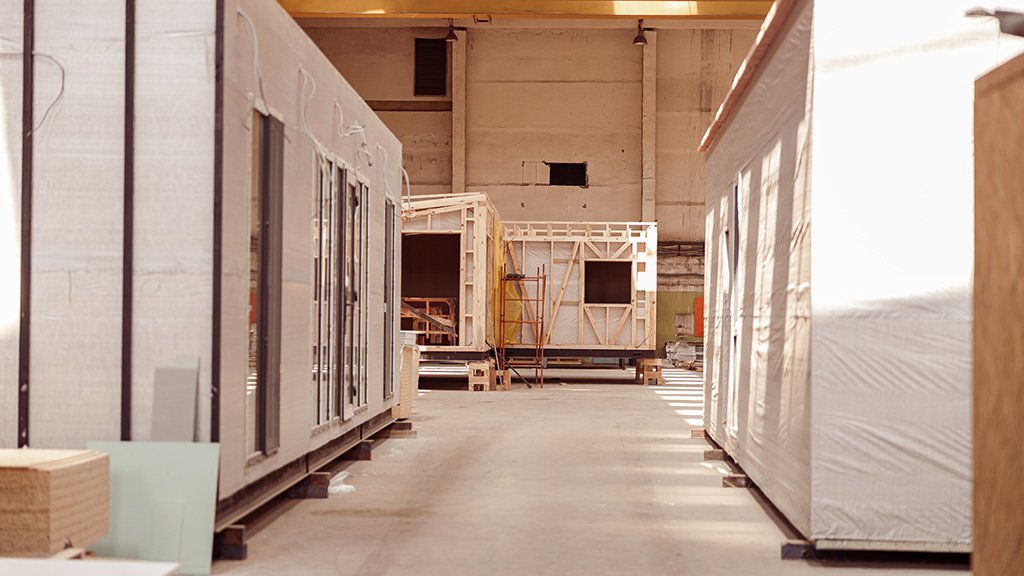
To address these issues, the federal government has initiated the $13-billion Build Canada Homes program, designed to expedite project launches and embrace innovative construction technologies. The program emphasizes factory-built, modular, and mass timber methods, which have shown potential for speeding up production processes and addressing workforce shortages. According to a report by the C.D. Howe Institute, leveraging these offsite construction methods could heighten productivity in the residential sector, but they are not a cure-all. The report highlights the necessity for systemic changes to improve labor productivity, citing Canada’s growing labor shortage alongside significant construction productivity hurdles.
The institute’s analysis indicates that to restore housing affordability to 2019 levels, Canada needs to initiate at least 430,000 housing units annually; however, last year’s output fell short at just 245,000 homes. The report advocates for greater adoption of prefabrication technologies, which can relocate up to 60% of the building process off-site, thus enhancing cost control, scheduling reliability, and labor efficiency.
Despite their promise, innovative construction methods face obstacles in Canada, including high initial costs, complex regulations, and fragmented industry standards. To overcome these challenges, the report calls for streamlined permitting processes, standardized building codes, and financial incentives for developers, ensuring a conducive environment for technological advancement in construction.
Ultimately, while the Build Canada Homes initiative signals a commitment to innovation, the true test lies in overcoming regulatory and logistical challenges to harness the potential of new construction methodologies. Addressing these issues is critical to realizing productivity enhancements that can scale effectively and deliver affordable housing solutions.
📋 Article Summary
-
Canadian Prime Minister Mark Carney aims to double housing construction to 500,000 homes annually, while Ontario’s Premier Doug Ford targets 1.5 million homes by 2031, despite declining housing starts.
-
Innovative construction methods, such as modular and mass timber, may help address Canada’s housing shortages and productivity challenges, though adoption remains limited due to regulatory and financial hurdles.
-
A report emphasizes that productivity gains can be achieved through off-site construction, yet these technologies often entail higher upfront costs and inconsistent savings in the Canadian market.
- Effective solutions require governments to streamline permitting processes, harmonize building codes, and support training, alongside targeted incentives to promote innovative construction practices.
🏗️ Impact for Construction Professionals
The recent announcement from Canadian Prime Minister Mark Carney about the Build Canada Homes initiative presents both significant opportunities and challenges for construction professionals. As housing starts decline and government targets remain ambitious, construction companies must adapt strategically to thrive.
Business Implications: Owners and project managers should closely analyze their operational efficiency. The push for innovative construction methods like modular and mass timber could enhance productivity. Embracing these technologies may streamline operations and reduce time-to-market, thus capitalizing on growing demand.
Opportunities: There’s a clear opportunity to leverage government financial tools, such as low-cost financing and investment tax credits. Staying informed on regulatory changes can also unlock benefits from streamlined permitting processes, which can reduce delays.
Challenges: Be prepared to navigate potential higher upfront costs associated with new technologies. Establish partnerships with suppliers specializing in prefabrication to mitigate these expenses.
Actionable Insights: Audit current processes for efficiency improvements. Invest in workforce training on new construction methods and advocate for harmonized building codes within your municipality to avoid project delays. By proactively adjusting strategies, construction professionals can better position themselves in a rapidly evolving housing landscape.
#offsite #construction #methods #homebuildings #saviour

