
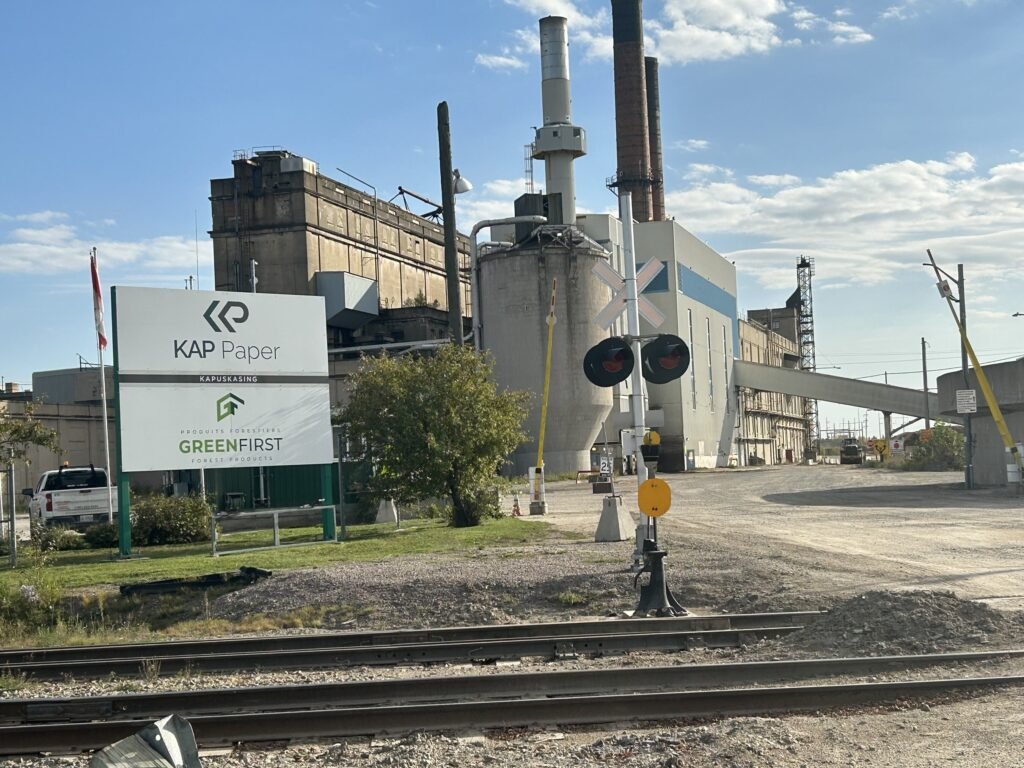
Unifor Urges Federal Government to Fund and Support Kap Paper
Funding Urgency for Kap Paper Mill: A Crucial Moment for Ontario’s Forestry Sector
The construction industry in Ontario faces a pivotal moment as Unifor, Canada’s largest private-sector union, raises urgent concerns regarding federal support for the Kap Paper mill in Kapuskasing, Ontario. The mill’s potential permanent curtailment threatens to not only disrupt local employment but also jeopardize the lumber supply chain essential for fulfilling Ontario’s housing demands. Unifor has consistently advocated for a strategic national industrial policy that supports the forestry sector, emphasizing the need to foster domestic production capabilities instead of relying on imports from the U.S.
In recent years, the Kap Paper mill has received some support from the Ontario government, including a notable $6 million loan extension aimed at sustaining operations. However, Unifor National President Lana Payne has criticized the federal government’s lack of timely financial intervention, which she argues is critical for the restructuring of the mill and safeguarding thousands of rural jobs. This sentiment reflects a broader concern that without strategic investments in the forestry sector, the foundation of good jobs and stable economic growth in Northeastern Ontario is at risk.
The implications of this situation extend beyond immediate job losses; they reach into the entire construction sector. According to Unifor Ontario Regional Director Samia Hashi, Ontario’s housing market is facing an unprecedented demand, requiring the construction of over 2 million homes in the next decade alone. This staggering figure underscores the necessity for a robust lumber supply chain, which relies decisively on the operational capacity of mills like Kap Paper. If the mill cannot secure adequate federal support, the ramifications for the housing market could be severe, hindering the province’s ability to achieve its "Build Canada Homes" objectives.
Unifor represents 170 workers at the Kapuskasing mill, comprising Local 89 and Local 256, illustrating the localized impact of these broader industry issues. The call for a national forestry strategy is thus not merely an organizational stance but also a critical recommendation for ensuring Canada can meet its future housing demands while fostering resilient local economies.
As the situation develops, the decision-makers in Ottawa must recognize the strategic importance of investing in the forestry sector. A comprehensive national industrial strategy, combined with immediate funding measures for mills like Kap Paper, could ensure the survival of this pivotal industry and support the construction ambitions essential for enhancing Ontario’s housing landscape.
📋 Article Summary
- Unifor is urging the federal government to provide funding and strategic support for Kap Paper in Kapuskasing, Ontario, to prevent job losses and potential mill closure.
- The mill has received provincial support but is seeking similar federal investment to secure employment and sustain related local businesses.
- Unifor emphasizes the need for a national forestry strategy to maintain a robust lumber supply chain vital for building over 2 million homes in Ontario over the next decade.
- Local unions represent 170 members at the Kap Paper mill, highlighting the importance of these jobs to the rural economy and local communities.
🏗️ Impact for Construction Professionals
This announcement highlights critical developments in the forestry sector, which directly impacts the construction industry. Construction professionals should recognize that a stable lumber supply chain is crucial for executing projects efficiently, especially given Ontario’s need for over 2 million homes in the next decade.
Practical Implications: Owners and project managers need to assess their lumber sourcing strategies. If mills like Kap Paper face closure due to funding shortfalls, this could lead to lumber shortages and price spikes that affect project timelines and budgets.
Opportunities: Engage with local associations like Unifor to advocate for federal support for mills. Collaborating with other stakeholders can strengthen bid proposals, showing community awareness and sustainability in sourcing.
Challenges: Prepare for potential delays in projects if local mills shut down, which could disrupt the supply chain.
Actionable Insights: Monitor developments regarding federal funding for the forestry sector. Diversify lumber suppliers to mitigate risks. Finally, incorporate contingency plans into your project timelines to adapt to possible material shortages.
Emphasizing local sourcing not only supports the community but could also offer marketing leverage amidst growing consumer preference for Canadian-made products.
#Unifor #Calls #Federal #Government #Provide #Funding #Support #Kap #Paper

