
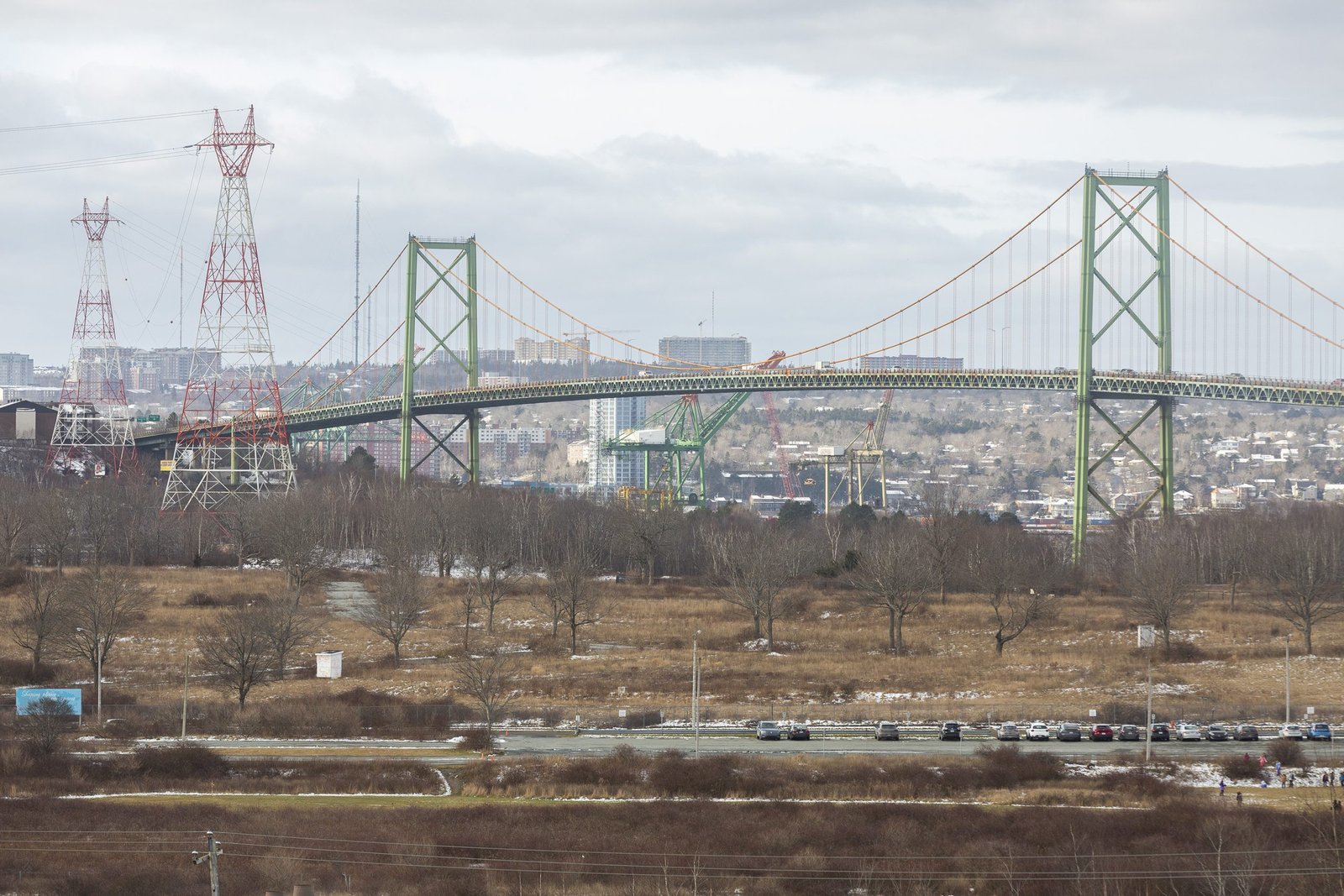
930 New Housing Units Unveiled for Shannon Park
Nova Scotia is taking a significant stride in addressing its housing crisis with the announcement of a $300 million investment to develop 1,430 new homes, primarily at the former Shannon Park military base. This funding, a collaboration between the provincial and federal governments, aims to alleviate the growing demand for affordable housing in the region. Housing Minister John White and federal Minister Gregor Robertson revealed that the project includes a mix of 930 units on Shannon Park land and an additional 500 non-profit and community housing units scattered across Nova Scotia.
The detailed breakdown shows that the 930 units at Shannon Park will consist of 630 homes built on federal land and 300 on provincial parcel, incorporating public and supportive housing options. Notably, 40% of the homes on the federal site will be designated as affordable, adhering to the Canada Mortgage and Housing Corporation’s guideline that rent will not exceed 30% of a household’s pre-tax income. This focused effort aims to meet the housing needs of moderate to median-income households while ensuring affordability for at least a decade.
Despite the ambitious financial commitment, concerns linger regarding the sustainability of affordability beyond the initial ten-year period. Questions have also arisen about the pace of public housing projects, as the province has struggled to meet previously promised targets under its Action Plan on Housing. With only 64 of the necessary 221 public housing units completed thus far, the urgency to enhance construction capacity is palpable.
To facilitate these developments, the Halifax Regional Municipality (HRM) is prepared to expedite the approval process and explore potential fee waivers or tax relief. Such cooperation is vital, as the project must break ground by the end of 2026, with the first phase set to utilize innovative building methods like factory-built housing and mass timber construction. This approach not only aims for efficiency but also enhances sustainability—a crucial consideration in the contemporary construction landscape.
Dartmouth-Cole Harbour Member of Parliament Darren Fisher emphasized the profound community impact of this initiative, as it aims to address the housing shortages faced by local families. The involvement of all government levels signifies a unified effort to tackle the pressing issue of affordability, a key topic in the current real estate discourse.
In summary, the Shannon Park housing project is a landmark initiative with substantial funding and a clear focus on affordability within a mixed-housing model. However, the successful execution will depend on the timely overcoming of previous construction delays and persistent commitment to long-term affordability in the region.
📋 Article Summary
- A major housing development at the former Shannon Park military base will result in 1,430 new homes in Nova Scotia, backed by a $300 million investment from federal and provincial governments.
- The project includes 930 units at Shannon Park: 630 on federal land, with 40% of those designated as affordable (rent capped at 30% of pre-tax income) and 300 units on provincial land, which will feature supportive housing.
- Construction is expected to commence by the end of 2026, utilizing fast-tracked approvals and potentially factory-built methods to accelerate the delivery of affordable homes.
- Ongoing concerns regarding the long-term affordability of the units, with a current commitment to affordability for only 10 years, remain unresolved as details are finalized.
🏗️ Impact for Construction Professionals
The announcement of a $300 million housing initiative at Shannon Park presents significant opportunities for construction professionals. With 1,430 new homes planned, this is a prime chance for construction companies, project managers, and contractors to secure contracts for both affordable housing and mixed-market projects.
Practical Business Implications: Firms specializing in modular, prefab, or innovative construction techniques will have an edge, as the first phase aims to use these methods to expedite delivery.
Potential Opportunities: The requirement for 40% below-market value homes opens avenues for partnerships with non-profits and government agencies for funding and resources. Engaging early in the requests for qualifications (RFQ) process can position firms favorably.
Actionable Insights: Stay informed about the RFQ timelines and requirements, and consider targeting the transitional and supportive housing units expected to have wraparound services.
Day-to-Day Operations: Firms should adjust strategic planning to include a focus on affordable housing, allocate resources for community engagement, and train teams on regulatory compliance to navigate municipal development approvals efficiently. Engaging with local councils can facilitate smoother project approvals and enhance community ties.
#housing #units #announced #Shannon #Park

